• The week of May 21 through May 28, 2026, brought significant developments to the Trinity Peninsula, characterized by crucial civic elections, municipal policy standardizations, and the community’s ongoing transition into the summer season. For local enterprises and residents, these events represent more than just weekly headlines; they are direct indicators of how our local government is prioritizing fiscal compliance, emergency preparedness, and regional infrastructure. By analyzing the administrative shifts and civic outcomes from late May, Trinity County business owners can refine their operational strategies and anticipate local market conditions for the upcoming quarter.

    Wrapping Up The May Runoff Elections

    Civic engagement reached a critical juncture this week as voters finalized their choices during the May 26 runoff elections. Following the March primaries—where several local and regional races failed to yield a candidate with a definitive majority—the late May polls determined key positions that will directly influence county and district governance.

    The conclusion of the runoff cycle provides the local commercial sector with much-needed administrative certainty. Businesses that rely on county contracts, municipal zoning, or district infrastructure funding can now align their strategic proposals with the finalized slate of incoming officials. A stable and defined local government allows private enterprises to forecast future property tax trajectories and civic development initiatives confidently. As the newly elected and re-elected officials prepare to take their oaths, local commerce leaders are encouraged to establish early dialogues with these representatives to ensure the Peninsula’s economic interests remain a central priority.

    Standardizing Municipal Utilities In The City Of Trinity

    Effective municipal administration requires continuous evaluation of civic budgets and operational expenses. During their recent sessions, the Trinity City Council took decisive action regarding local utility management by officially ending long-standing water credits. Historically, these utility subsidies were extended to elected officials, city employees, past council members, firefighters, and certain widows within the municipality.

    The elimination of these credits signals a firm administrative pivot toward standardized accounting and revenue capture. By prioritizing financial parity across the municipal utility grid, the city aims to stabilize its broader operational budget. For the local business community, this move is highly encouraging; when a municipality tightens its internal expenditures and maximizes standard revenue streams, it frequently reduces the necessity for sudden, broad-scale commercial tax hikes or sweeping utility rate increases in the future.

    Ensuring Compliance Within County Scholarship Programs

    Strategic fiscal management was also a primary focus for the Trinity County Commissioners Court this week. In a proactive move to ensure strict adherence to state regulatory mandates, the Commissioners approved the internal transfer of funds collected for scholarships offered by the Trinity County Sheriff’s Office.

    The decision to move these funds into a newly designated account guarantees that local philanthropic efforts remain fully compliant with the evolving financial guidelines established by the state. This administrative realignment serves as a valuable case study for the local business community. It underscores the critical importance of maintaining agile accounting practices capable of adapting to complex regulatory shifts.

    The following table breaks down the core municipal actions taken in late May and their overarching commercial significance:

    Municipal ActionDirect Operational ImpactBroader Commercial Significance
    May 26 Runoff ElectionsFinalizes essential county and regional leadership positions.Provides enterprises with administrative certainty for strategic civic partnerships.
    City Water Ordinance RevisionsRemoves specialized utility credits for officials and personnel.Standardizes municipal revenue, fostering long-term utility rate stability.
    Sheriff’s Scholarship RealignmentRestructures fund accounting to meet state reporting laws.Demonstrates a rigorous county-level commitment to fiscal compliance and transparency.

    Emergency Preparedness And Summer Fire Responses

    As the Trinity Peninsula transitions into the hotter, drier summer months, the readiness of our emergency personnel becomes a vital component of local economic stability. This past weekend highlighted the necessity of these services, as the Trinity Volunteer Fire Department experienced an exceptionally busy Saturday, responding to multiple incidents including a significant grass fire on Knight Lane, south of Trinity.

    The rapid and effective containment of these brush fires prevents localized environmental damage from escalating into broader threats against commercial properties and residential subdivisions. For enterprises operating on the outskirts of the city limits, particularly in agricultural or timber sectors, monitoring regional environmental conditions and adhering to the safety frameworks established by the Texas A&M Forest Service is a strict operational necessity. Maintaining clear defensible spaces around commercial assets not only ensures safety but also mitigates potential liabilities regarding commercial property insurance.

    Regional Athletics Drive Community Momentum

    Beyond governance and emergency services, the cultural and economic momentum of the region is heavily driven by local achievements. Late May brought thrilling news for regional sports fans as the state 1A Region 3-4 playoffs featured a high-stakes “battle of the county.” Apple Springs and Centerville faced off in a highly anticipated regional semifinal matchup to determine who would advance to the prestigious final four.

    Athletic events of this magnitude generate a distinct surge in localized economic activity. Community-wide support translates into increased retail sales for sporting goods, higher weekend volume at local dining establishments, and heightened brand visibility for the businesses that sponsor these athletic programs. Tracking these local triumphs allows Trinity County business owners to share in the region’s collective pride while capturing the consumer spending generated by these celebratory community events.

  • This week, the Trinity Peninsula saw a convergence of municipal policy adjustments, educational leadership transitions, and crucial civic milestones. As the community transitions from spring into the busy summer recreation season, the decisions made in council chambers and school board meetings are actively reshaping the regional economic landscape. For local entrepreneurs, understanding these developments is essential for forecasting operational costs, identifying new commercial opportunities, and staying aligned with the trajectory of Trinity County’s growth.

    Municipal Policy Adjustments And Utility Management

    Effective municipal governance frequently requires difficult decisions regarding resource allocation and civic benefits. In a notable move toward streamlined municipal accounting, the Trinity City Council recently voted to end specific water utility credits. This legislative adjustment removes previous utility subsidies that were historically granted to elected officials, city employees, past council members, and certain emergency personnel.

    From an economic perspective, this shift reflects a broader municipal effort to tighten operational budgets and ensure that utility revenues are fully realized. When local governments focus on rigorous fiscal management, it often stabilizes the municipal budget, which can forestall sudden tax hikes on commercial properties. For business owners monitoring local utility rates, this decision signals an administrative focus on financial parity and infrastructure sustainability heading into the next fiscal year.

    Strategic Investments In Youth And Education

    The strength of the local labor market is intrinsically linked to the stability of regional childcare and the quality of public education. Consequently, the recent announcement that the Boys & Girls Club of Walker County will reestablish programming in the Trinity community for the 2026-2027 school year represents a massive win for local employers. Accessible, high-quality after-school programming drastically reduces absenteeism among working parents, allowing the commercial workforce to maintain consistent productivity.

    Simultaneously, the Trinity Independent School District (ISD) has reached a critical administrative milestone. The Board of Regents recently selected a lone finalist to replace retiring Superintendent Dr. John Kaufman. Transitions in district leadership frequently precipitate strategic shifts in facility management, vocational training priorities, and procurement contracts. Regional vendors who supply educational materials or facility maintenance services should view this transition as a vital period to review their municipal proposals and align with the district’s upcoming administrative vision.

    The following table summarizes the immediate and long-term economic impacts of these recent developments:

    Community DevelopmentImmediate Operational ImpactLong-Term Commercial Benefit
    City Water Ordinance RevisionsIncreases municipal utility revenue captures.Stabilizes city budgets, potentially delaying commercial tax increases.
    Boys & Girls Club ReopeningRequires localized staffing and facility preparation.Provides reliable childcare, stabilizing the local workforce schedule.
    Trinity ISD Superintendent TransitionInitiates reviews of current educational strategies.Opens potential new contracting opportunities for local vendors.

    Civic Engagement And The May 26 Runoff Elections

    As local policy shifts continue to impact commercial operations, the importance of business participation in the electoral process cannot be overstated. Early voting commenced this week for the highly anticipated May 26 runoff elections. These runoffs feature the top two candidates from the March primary races who failed to secure a definitive majority vote.

    The outcomes of these localized races dictate the composition of county infrastructure boards and justice systems, which directly affect zoning laws, commercial dispute resolutions, and regional economic development incentives. Business owners are strongly encouraged to participate in this secondary phase of the voting process. For comprehensive details on voter eligibility and designated polling locations within Trinity County, residents should consult the official Texas election guidelines to ensure their voices are registered in these pivotal civic decisions.

    Community Fundraisers And Regional Athletic Triumphs

    While municipal governance provides the structure of the local economy, community events fuel its weekly momentum. Over the past week, the 9th Annual Trinity Community Fair Association Scholarship Crawfish Boil demonstrated remarkable resilience. Despite persistent threats of wet weather and soggy field conditions, the event successfully achieved its fundraising objectives. Agricultural and community fundraisers of this magnitude drive immediate retail surges for local hardware suppliers, grocers, and Main Street hospitality venues.

    Complementing this philanthropic success, the region is also celebrating significant athletic recognition. Trinity Head Basketball Coach Chris Harvey was recently named the Region 6 3A Boys Head Coach of the Year. High-profile athletic accolades naturally stimulate community pride and generate localized economic activity, as celebratory events and increased athletic enrollment push consumer spending into regional sporting goods and dining sectors. By continuously monitoring these localized successes alongside municipal shifts, business leaders can confidently navigate the evolving rhythm of the Trinity Peninsula.

  • The commercial viability of Trinity is inextricably linked to the ongoing developments within our local government, educational institutions, and community organizations. As we move through May 2026, a series of critical municipal decisions, leadership transitions, and regional gatherings are actively shaping our economic landscape. For small business owners and regional investors, analyzing these recent events provides essential foresight into local supply chains, infrastructure spending, and consumer behavior.

    Municipal Governance And Emergency Infrastructure Investments

    The decisions finalized within the Trinity County Commissioners Court serve as a leading indicator of future economic activity and municipal priorities. Recently, county officials approved an application for a substantial $5 million grant aimed at constructing a dedicated county emergency shelter. This initiative not only addresses a critical public safety need but also signals potential upcoming opportunities for local contractors, civil engineers, and construction material suppliers.

    Securing large-scale state or federal funding injects direct capital into the regional economy, prioritizing commercial resilience in the face of unpredictable weather events. As local governance navigates these complex grant applications, civic participation remains crucial. With early voting commencing for the May 26 runoff elections, the business community has a direct mandate to elect officials who prioritize sound fiscal management and transparent infrastructure development. Ensuring strict alignment with state-level compliance and Texas municipal election guidelines guarantees that our local government remains eligible for these essential public funds.

    Educational Leadership And Workforce Development

    The strength of a local economy relies heavily on the quality of its public education system, which serves as the primary pipeline for our future workforce. The Trinity Independent School District (ISD) recently reached a significant leadership milestone, settling on a lone finalist to replace retiring Superintendent Dr. John Kaufman.

    Transitions in educational leadership often precede shifts in district purchasing, facility upgrades, and vocational programming. When local school districts prioritize technical certifications and agricultural sciences, they directly support the specialized labor needs of regional enterprises. For commercial vendors who supply our schools—ranging from IT infrastructure providers to food service distributors—monitoring this transition period is essential for anticipating new contractual guidelines and district priorities heading into the 2026-2027 academic year.

    Agricultural Heritage And Community Resilience

    Beyond civic and educational infrastructure, community-driven events act as immediate catalysts for our retail and hospitality sectors. The recent 9th Annual Trinity Community Fair Association Scholarship Crawfish Boil perfectly illustrated the financial resilience of local traditions. Despite the threat of severe wet weather and challenging field conditions, the event successfully met its fundraising objectives, demonstrating the unwavering support of the Trinity’s residents.

    Events of this scale require complex logistical coordination, creating a concentrated surge in local commercial activity. The following table highlights the localized economic impact generated by agricultural and community fundraisers:

    Economic SectorImpact of Regional Fundraising EventsCommercial Benefit to Trinity County
    Wholesale & AgricultureHigh-volume purchasing of local produce, seafood, and livestock feed.Capitalizes on local supply chains, keeping event expenditures within the county.
    Retail & HardwareIncreased demand for event logistics, temporary fencing, and generators.Drives off-season revenue for local hardware and equipment rental facilities.
    Hospitality & DiningInflux of regional attendees requiring meals before or after the main event.Boosts weekend foot traffic for Main Street restaurants and convenience stores.

    By supporting these scholarship initiatives, local businesses are directly investing in the higher education of Trinity youth, ensuring that the next generation of leaders retains strong ties to Trinity’s commercial sector.

    Celebrating Regional Athletic Achievements

    Local sports programs consistently unify the community while driving measurable economic activity. The Apple Springs Lady Eagles recently captured the bi-district softball championship following a hard-fought series victory over Oakwood.

    Athletic achievements of this caliber naturally stimulate the local economy. Traveling teams, visiting families, and enthusiastic supporters generate immediate revenue for local fuel stations, diners, and sporting goods retailers. Furthermore, when local enterprises actively sponsor athletic programs, they cultivate deep brand loyalty and visibility across multiple demographics. Analyzing these recent successes allows business owners to align their marketing and inventory strategies with the natural rhythm of Trinity County’s event calendar, fostering a cohesive and prosperous commercial environment.

  • The economic and civic landscape of the Trinity Peninsula is in a continuous state of evolution, heavily influenced by local governance, regional commerce, and state-level regulatory shifts. For business owners and residents striving for strategic growth, analyzing recent events provides critical foresight into market conditions. As we navigate the spring of 2026, several key developments—ranging from municipal election outcomes to the approval of our vital summer recreation facilities—are actively shaping the commercial trajectory of Trinity County.

    The 2026 Municipal Elections: Shifts In Local Governance

    Civic leadership directly dictates the commercial environment, and the May 2026 municipal elections have introduced new voices to our local governance. Decisions made in council chambers and boardrooms inevitably influence future property tax rates, municipal budgets, and infrastructure projects that affect commercial real estate across the county.

    In the city of Groveton, the recent election brought two new faces to the city council, signaling potential shifts in municipal priorities. The highly competitive race saw Joseph Wood secure a new seat alongside returning incumbents Joe Don Kennedy and Darrel Harbuck. Simultaneously, the Trinity Independent School District (ISD) Board of Trustees also experienced a turnover. Incumbent John Smith was re-elected, but challenger Chad Seamans successfully captured a seat, reflecting the community’s evolving perspective on educational funding and facility management. For local contractors and educational vendors, monitoring these newly established boards is essential for anticipating upcoming municipal and district contracts.

    Navigating State Regulations And County Funding

    Beyond elections, the day-to-day operations of Trinity County are currently facing complex regulatory hurdles that could have direct financial implications for the region. During recent Commissioners Court sessions in late April 2026, County Attorney Colton Hay highlighted a critical reporting requirement regarding completed court cases.

    Failure to meet these stringent state-level reporting mandates could place Trinity County in a “cash quandary,” potentially rendering the local government ineligible for specific state grant funds. For the local business community, this development is a sobering reminder of how administrative bottlenecks can threaten public funding. When municipal budgets tighten due to withheld grants, the secondary effect is often felt through delayed infrastructure improvements and reduced county-level purchasing. Engaging with these civic discussions ensures that the private sector is prepared for potential shifts in local government spending.

    The Economic Impact Of The 2026 Summer Camp Season

    A cornerstone of Trinity County’s seasonal economy is our robust network of youth summer camps. However, the lead-up to the 2026 season presented unprecedented challenges for operators. Following strict new legislative requirements enacted after the tragic statewide flooding events of 2025, youth camps across Texas faced intense scrutiny and delayed licensing approvals from the Texas Department of State Health Services.

    Despite these severe regulatory bottlenecks, Trinity County facilities demonstrated remarkable operational resilience. By early May 2026, three of our premier local facilities successfully navigated the compliance landscape to secure their operating licenses. The approval of these facilities is not merely a win for recreational programming; it is a vital catalyst for our local supply chain.

    The table below outlines the recently approved facilities and their corresponding impact on our regional economy:

    Trinity County Youth CampGeographic LocationLocal Economic Impact Focus
    Camp OlympiaTrinityHigh-volume supply purchasing, fuel consumption, and seasonal staffing.
    Trinity Pines Conference CenterTrinityMulti-day event hosting, regional hospitality, and specialized facility maintenance.
    YMCA Camp CullenTrinityFamily tourism, extended weekend retail spending, and outdoor recreation revenue.

    The successful opening of these camps guarantees a massive influx of out-of-county capital, driving essential revenue to local grocery suppliers, hardware stores, and Main Street dining establishments throughout the summer months.

    Celebrating Regional Achievements In Youth Sports

    While regulatory compliance and municipal budgets define the framework of our economy, community morale provides the energy that sustains it. Regional events, particularly in youth athletics, serve as powerful unifying forces that stimulate local commerce. Recently, the Apple Springs Lady Eagles dominated the diamond to claim the bi-district softball championship.

    Events of this caliber generate immediate economic activity, prompting travel, celebratory dining, and increased retail traffic for sporting goods and branded apparel. When local enterprises actively sponsor and support these athletic achievements, they cultivate deep-rooted brand loyalty within the community. Businesses looking to align their promotional strategies with local events and athletic organizations are encouraged to utilize our local chamber directory to find collaborative partners. By staying deeply engaged with both the civic challenges and the community triumphs of 2026, local leaders can ensure their operations remain resilient and highly integrated into the fabric of the Trinity Peninsula.

  • The commercial landscape of Trinity is constantly evolving, driven by recent municipal decisions, shifting infrastructure, and deeply rooted community traditions. For local business owners, understanding the direct impact of this year’s news cycle is essential for strategic planning. From the ongoing debates surrounding county facilities to the economic resilience required after recent healthcare shifts, the events of late 2025 and early 2026 are actively redefining how we do business in Trinity County.

    Navigating The Shift In Rural Healthcare Infrastructure

    One of the most significant recent developments impacting our local economy and resident lifestyle was the closure of the Mid Coast Medical Center in Trinity in April 2025. Operating for just 14 months, the facility succumbed to the financial pressures that currently challenge the broader Texas rural healthcare landscape. For local employers, this closure has required a rapid adjustment in workplace safety planning and employee benefits navigation, as residents now travel to neighboring facilities in Crockett or Huntsville for emergency and specialized care.

    However, this structural shift has also sparked innovation within our local business sector. Independent clinics, telehealth facilitators, and specialized rural transport services are stepping up to fill the void. By assessing these infrastructure changes analytically, local entrepreneurs can identify emerging service gaps. Businesses looking to partner with local health and wellness providers to support their employees are encouraged to consult our local chamber directory to find reliable regional alternatives.

    2026 Municipal Elections And County Operations

    Civic leadership directly dictates the commercial environment, and the spring 2026 election cycle is bringing critical municipal issues to the forefront. With the March primaries establishing the slate for Trinity County Commissioners, Justices of the Peace, and the County Clerk, the focus now shifts to the May general elections, which will finalize local school board and city council seats.

    A central issue dominating recent Commissioners Court meetings is the continuing cost of operating the 100-year-old county jail in Groveton. As county officials debate the financial viability of maintaining a facility that has far outlived its original purpose, local contractors and real estate investors are closely monitoring the situation. Decisions regarding major county infrastructure projects inevitably dictate future property tax rates, municipal budgets, and potential zoning shifts that affect commercial real estate along the Highway 94 and Highway 19 corridors.

    Celebrating Agricultural Heritage At The Youth Livestock Show

    Beyond infrastructure and elections, the economic heartbeat of Trinity County is most visible during our major community gatherings. The recent April 2026 Trinity Community Fair and Youth Livestock Show provided a substantial boost to the local hospitality and retail sectors. This annual event draws extended families, agricultural professionals, and regional investors into our community, creating a reliable surge in weekend revenue for Main Street diners and local outfitters.

    The event also highlights the dedication of the Trinity FFA and local agricultural students, whose hard work translates directly into regional economic activity during the livestock auctions. The table below highlights just a few of the top champions from the recent 2026 exhibitions, showcasing the diverse agricultural investments made by our local youth:

    Exhibition Category2026 Grand Champion WinnerEconomic & Community Impact
    Market SwineLane LewisDrives local feed and equipment sales throughout the year.
    Market LambMia ZunigaPromotes specialized livestock veterinary services.
    Market GoatLyla DrakeHighlights the growing diversification of local ranching.
    Shop ProjectLukas NicholsDemonstrates advanced vocational skills entering the local workforce.

    When local businesses sponsor these students or participate in the auction, they are not merely engaging in philanthropy; they are investing directly in the future workforce of Trinity.

    Fostering Resilience Through Community Engagement

    The narrative of Trinity County over the past year is one of profound resilience. Whether our community is rallying to support the families affected by the tragic Westwood Shores gas leak in late 2025 or celebrating the entrepreneurial spirit during the annual “Best of Trinity County” business awards, the interconnected nature of our local economy is clear.

    By analyzing local news—from the expansion of public safety laws in the Lakewood at Livingston subdivision to the latest City Council utility negotiations—businesses can forecast demand and adjust their operations accordingly. Staying deeply engaged with these recent developments ensures that your enterprise remains agile, informed, and perfectly positioned to grow alongside Trinity.

  • For entrepreneurs operating within the Trinity Peninsula, maintaining a competitive edge requires more than just excellent customer service and community engagement; it requires a rigorous, analytical approach to financial compliance. While the State of Texas is widely celebrated for its business-friendly fiscal policies—most notably the absence of a state corporate income tax—local business owners must still master a complex web of franchise, property, and sales taxes. Understanding how these financial obligations interact at the county level is essential for safeguarding your revenue, avoiding costly penalties, and positioning your enterprise for sustainable, long-term growth.

    Understanding The Regional Tax Landscape

    The foundation of sound financial management begins with understanding the specific tax jurisdictions that impact your daily operations. In Trinity County, small businesses are subject to a combination of state mandates and local district assessments. While the broader tax burden is relatively low compared to national averages, the administrative responsibility placed on the business owner is significant. Every transaction, asset purchase, and payroll cycle carries specific reporting requirements that must be meticulously documented.

    Operating under the assumption that a local bookkeeper can reverse-engineer a year’s worth of disorganized receipts during tax season is a mathematical miscalculation that frequently leads to audited friction. Instead, modern small business owners must integrate tax planning into their monthly operational reviews. This proactive stance allows owners to forecast their liability accurately and utilize available deductions before the fiscal year concludes, transforming tax compliance from a reactionary burden into a predictable operational expense.

    The Mechanics Of Texas Sales And Use Tax

    For retail operators and service providers on the Peninsula, managing the Texas Sales and Use Tax is a continuous operational requirement. Businesses are legally obligated to act as collection agents for the state and local municipalities, applying the correct tax rate to all taxable goods and services. Because tax rates can fluctuate based on specific city and special purpose district boundaries within Trinity County, applying a blanket percentage across all transactions can result in under-collection or over-reporting.

    Whether you are managing daily inventory at a high-volume retailer like Thrif-Tee Food Center or operating a specialized boutique on Main Street, establishing an automated point-of-sale system calibrated to local tax rates is paramount. Furthermore, business owners must clearly distinguish between taxable consumer goods and exempt essential items to maintain compliance. For definitive guidance on taxable services and current rate modifications, owners should regularly consult the official Texas Comptroller of Public Accounts database, which provides the authoritative legal framework for all state collections.

    Optimizing Property Taxes And Real Estate Deductions

    Commercial property taxes represent one of the most substantial fixed overhead costs for brick-and-mortar establishments in our region. Unlike sales tax, which fluctuates with consumer volume, property tax assessments levied by the local Appraisal District form a baseline expense that must be managed strategically. Business owners who own their commercial real estate, as well as those carrying substantial physical inventory or specialized equipment, face annual valuations that directly impact their bottom line.

    The following table outlines the primary tax deduction categories available to local operators, illustrating how strategic asset management can mitigate your overall tax burden:

    Deduction CategoryApplication CriteriaStrategic Financial Benefit
    Section 179 EquipmentPurchases of heavy machinery, specialized tools, or commercial vehicles used primarily for business.Allows for immediate expense deduction rather than prolonged depreciation schedules.
    Commercial Real Estate DepreciationApplicable to the physical structure of a business property, excluding the land value.Provides a consistent, year-over-year reduction in taxable revenue over a 39-year standard schedule.
    Inventory Cost of Goods Sold (COGS)Direct costs attributable to the production or acquisition of the goods sold by a company.Lowers gross profit margins on paper, directly reducing the franchise tax liability threshold.
    Home Office DeductionsCalculated square footage of a personal residence used exclusively for administrative operations.Offers fractional relief for remote workers and sole proprietors operating outside commercial zones.

    By aggressively documenting these categories, businesses can legally suppress their taxable income while reinvesting the retained capital into facility improvements or expanded inventory.

    Strategic Partnerships For Financial Compliance

    Navigating the intricacies of local and federal tax codes is rarely a solitary endeavor. The most financially resilient organizations in our community recognize when to outsource complex compliance tasks to specialized professionals. Attempting to navigate quarterly franchise filings, complex employee payroll taxes, or audit defense without dedicated expertise frequently results in costly administrative errors.

    Building a relationship with regional financial professionals—such as the certified public accountants at firms like Stratton & Chrisco or independent local bookkeepers—provides an essential layer of financial security. These experts possess the granular, localized knowledge necessary to navigate Trinity County’s specific filing deadlines and appraisal protest procedures. To find vetted, reputable financial advisors operating right here in our community, we highly encourage business owners to utilize our local chamber directory to establish these critical advisory partnerships.

    Turning Compliance Into A Growth Strategy

    Ultimately, effective tax management is not simply about fulfilling a legal obligation; it is about protecting the operational liquidity of your business. By maintaining immaculate records, leveraging the expertise of local financial professionals, and staying continually informed on state-level policy shifts, Trinity County entrepreneurs can eliminate the anxiety traditionally associated with tax season. A disciplined, analytical approach to your local tax liability ensures that more of your hard-earned capital remains exactly where it belongs—invested in the future of the Trinity Peninsula.

  • The landscape of the modern workforce has fundamentally shifted, untethering professionals from traditional urban office centers and allowing them to prioritize lifestyle and economic efficiency over geographic proximity to their employers. As we navigate through 2024, Trinity has quietly transitioned from a seasonal recreation destination into a strategic haven for telecommuters. This demographic shift is not a temporary anomaly but rather the result of converging factors: critical infrastructure improvements, economic pragmatism, and a growing societal desire for a higher quality of life. For local businesses and municipal planners, understanding the influx of these remote professionals is vital for adapting to Trinity County’s evolving economic baseline.

    The Rural Broadband Infrastructure Boom

    Historically, the primary barrier preventing high-earning professionals from relocating to rural, nature-adjacent communities was the lack of reliable digital infrastructure. However, recent aggressive investments in regional connectivity have essentially eliminated this hurdle for Trinity. The deployment of high-speed fiber optics by local providers, combined with the widespread availability of advanced satellite internet solutions capable of delivering speeds up to 150 Mbps, has leveled the technological playing field.

    This enhanced connectivity allows software engineers, financial analysts, and telehealth professionals to operate with the same digital efficiency they would experience in downtown Houston or Dallas. Supported by state-level Texas broadband initiatives aimed at closing the digital divide, the Trinity area now offers the stable, high-bandwidth environment required for seamless video conferencing, large data transfers, and cloud-based collaboration. The transformation of our telecommunications grid serves as the foundational catalyst for our current population growth.

    Economic Advantages And Cost Of Living Arbitrage

    Beyond technological feasibility, the financial logic driving remote workers to Trinity County is undeniable. As inflation and housing costs continue to compress urban budgets, telecommuters are actively engaging in geographic arbitrage—earning major-city salaries while capitalizing on rural costs of living. Trinity offers a compelling economic proposition where housing affordability significantly outpaces national and state averages.

    To illustrate this economic advantage, the following table compares standard cost-of-living metrics between major Texas metropolitan areas and the Trinity region:

    Economic MetricMajor Texas Metros (Avg)Trinity RegionNet Advantage for Remote Workers
    Median Home Price$350,000+$180,000 – $220,000Substantial mortgage reduction and increased purchasing power
    Property Tax BurdenHigh (Aggressive Appraisals)Moderate (Stable Appraisals)Long-term wealth retention
    Daily Commute Costs$3,000+ AnnuallyNegligibleElimination of fuel, toll, and maintenance overhead
    Local Service CostsPremiumCompetitive/StandardLower monthly expenditure on maintenance and retail

    By relocating to the Trinity area, remote workers effectively give themselves a substantial raise. This surplus capital does not simply sit idle; it is frequently reinvested directly into the local economy through home renovations, dining out on Main Street, and utilizing regional professional services, thereby stimulating our commercial sector.

    Balancing Productivity With Natural Amenities

    The modern remote worker places a high premium on work-life balance, and the geographic assets of Trinity deliver an environment that urban centers simply cannot replicate. The proximity to Lake Livingston and the surrounding national forests provides an immediate psychological and recreational counterbalance to the demands of a high-stress digital career.

    Access to world-class angling, boating, and hiking within minutes of a home office allows professionals to compartmentalize their workdays effectively. This immediate access to natural amenities has been proven to reduce burnout and increase overall productivity. Furthermore, the transition from a congested, concrete-heavy environment to a serene, nature-centric community fosters a mental clarity that is increasingly highly valued by the remote workforce. The lake is no longer just a weekend getaway; it is a daily lifestyle asset.

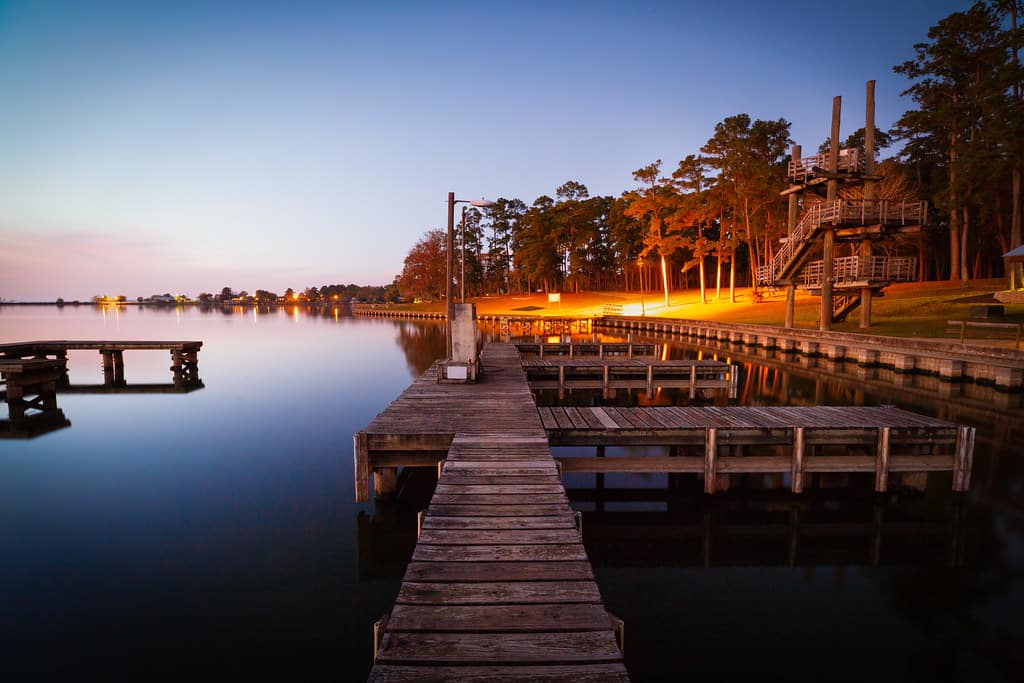
    Lake Livingston Dock

    Integrating Into The Local Business Community

    As new remote residents settle into the Trinity, their integration into the existing civic framework presents a unique opportunity for long-standing local businesses. These professionals frequently seek local alternatives for services they previously sourced in the city, ranging from accounting and legal counsel to specialized home maintenance and IT support.

    To capture this emerging demographic, established local enterprises must optimize their digital presence and actively network with new arrivals. A practical first step for any business looking to increase its visibility among this growing resident base is to ensure its services are accurately represented in our local business directory. By fostering strong connections between remote workers and local merchants, we can ensure that the economic momentum generated by this demographic shift translates into sustained, multi-generational prosperity for Trinity County.

  • The economic vitality of the Trinity area is inextricably linked to the ebb and flow of Lake Livingston. While many residents and visitors view the lake primarily as a scenic backdrop for weekend recreation, its role as a fundamental engine for local commerce requires a more analytical perspective. From the moment a visitor launches a boat at a local marina to the evening they spend dining on Main Street, a sophisticated cycle of external capital begins to circulate. This influx of tourism dollars supports municipal infrastructure, stabilizes small businesses, and ultimately dictates the broader economic health of Trinity County.

    The Ripple Effect Of Outdoor Recreation

    The journey of a tourist’s dollar begins at the water’s edge, but the multiplier effect extends deeply into the surrounding community. When visitors travel to the region for angling, boating, or camping, they bring new revenue streams that bypass the standard limitations of our local population size. This external capital is crucial for rural economic development, as it introduces fresh currency into a closed geographical loop.

    According to data compiled by the Texas Parks and Wildlife Department, outdoor recreation and state park visitations generate billions in retail sales across the state annually. Locally, this translates to a steady baseline of consumer demand that insulates our service sectors from broader national market fluctuations. Every campsite reserved and every fishing tournament hosted acts as an economic catalyst, prompting visitors to engage with businesses far beyond the immediate shoreline.

    Quantifying The Hospitality And Retail Boost

    Understanding exactly how tourism revenue is distributed allows local enterprises to better position their services. The transition of capital from recreational activities to standard retail is not accidental; it relies on an interconnected network of local vendors, service providers, and hospitality experts.

    The table below outlines the standard distribution of the average daily tourist expenditure within a rural lake-adjacent economy, highlighting the diverse sectors that benefit from weekend visitations:

    Economic SectorEstimated Share of Tourist SpendDirect Beneficiaries in Trinity County
    Lodging & Accommodations35%Hotels, Motels, RV Parks, Short-Term Rentals
    Food & Beverage30%Main Street Restaurants, Diners, Grocery Stores
    Retail & Supply20%Bait Shops, Hardware Stores, Local Boutiques
    Fuel & Transportation15%Gas Stations, Auto Repair, Marine Maintenance

    As the data suggests, food and beverage establishments alongside retail operators capture half of all tourism expenditures. This demonstrates that an active Main Street is entirely co-dependent on the success of regional recreation. When tourists find comprehensive retail and dining options minutes away from their recreational base, the retention of out-of-county capital increases significantly.

    Sustaining Growth Beyond The Peak Season

    While the summer months historically represent the highest volume of consumer traffic, establishing a resilient economy requires strategic planning to capture revenue during the off-season. Forward-thinking business owners are increasingly leveraging autumn and winter fishing patterns, local festivals, and hunting seasons to maintain cash flow. The objective is to convert seasonal spikes into a steady, year-round economic baseline.

    Achieving this consistency requires collaboration across the local business community. Cross-promotional strategies, such as lodging facilities recommending specific Main Street dining venues, create an integrated experience that encourages visitors to extend their stay. Businesses looking to forge these essential operational partnerships can start by exploring our local chamber directory to connect with allied vendors and regional service providers.

    Building A Resilient Local Ecosystem

    Ultimately, the goal of monitoring and fostering the tourism sector is to convert temporary visitations into long-term community wealth. The taxes generated through increased retail sales and hotel occupancies directly fund the municipal services that improve the quality of life for permanent residents. Improved roads, better emergency services, and upgraded public utilities are the direct dividends of a healthy visitor economy.

    By recognizing the undeniable financial link between the natural assets of Lake Livingston and the commercial storefronts of Main Street, Trinity area businesses can better adapt their operational models. Emphasizing high-quality customer service, maintaining adequate inventory during peak regional events, and fostering strong civic partnerships will ensure that our local economy remains robust, diverse, and prepared for future growth.

  • One of the easiest ways to understand a community is to sit down and eat where local families have built their business over time. Around Lake Livingston, that often means restaurants that are more than just convenient stops for travelers. They are part of the region’s identity, serving residents year-round while also welcoming campers, anglers, boaters, and weekend visitors headed toward the water.

    That connection matters in a place like Trinity’s broader Lake Livingston region. The lake is a major tourism and economic driver for nearby communities, helping support marinas, lodging, retail, and restaurants across the area. The City of Livingston describes Lake Livingston as an important tourist attraction and economic asset, with commercial recreation facilities and shoreline accommodations helping bring people into the region. For local chambers and small-business advocates, restaurants are part of that same story. They keep visitor spending local and help turn a day trip into a fuller community experience.

    Why Family-Owned Restaurants Matter Around The Lake

    Family-run restaurants tend to offer something chain dining rarely can: a direct connection between the owners, the food, and the people they serve. In a lake region where tourism rises and falls with seasons, weather, and weekends, that kind of consistency builds trust. It also helps define what visitors remember after they leave.

    Near Lake Livingston, that local dining mix is important because the lake pulls travelers into more than one town. Visitors may stay in Livingston, pass through Trinity, stop in Onalaska, or move between marinas, parks, and cabins during the same trip. That makes locally rooted restaurants especially valuable. They are often the businesses that turn passing traffic into repeat business and help reinforce the broader economic value of the lake.

    Three Family-Owned Spots Worth Knowing

    Several restaurants in the Lake Livingston area stand out not only for location and longevity, but also because they clearly present themselves as family-run businesses.

    Florida’s Kitchen In Livingston

    Florida’s Kitchen is one of the clearest examples of a family-run restaurant serving the Lake Livingston area. Its official business description states that it is a southern-style, family-owned restaurant in Livingston, while the restaurant’s own site says the business operates out of a house that had been in the family for years before becoming a restaurant.

    That matters because it reflects exactly the kind of local continuity that visitors often look for near a destination like Lake Livingston. Rather than presenting itself as a themed tourist stop, Florida’s Kitchen leans into a homegrown East Texas identity. For travelers coming off the lake or spending a weekend in the area, that kind of setting can be just as appealing as the menu itself.

    Katie’s Cafe & Bakery In Livingston

    Katie’s Cafe & Bakery is another strong local option with a family-owned identity. Third-party listings describe it as a family-owned restaurant specializing in scratch-made desserts and food, while its official website shows a broader menu mix that includes brunch, lunch, dinner, catering, events, and custom cakes.

    That range makes Katie’s especially useful in a lake-market economy. Some visitors want a sit-down meal after a morning outdoors, while others are looking for brunch before heading to the state park or baked goods for a family gathering. A restaurant that can serve both everyday local traffic and occasional visitors tends to become part of the area’s social routine, not just its dining map.

    Miss Jean’s BBQ In Onalaska

    For travelers approaching the lake from the west side or staying closer to Onalaska, Miss Jean’s BBQ is one of the most clearly documented family-run restaurants in the region. On its official site, the restaurant says it has been serving barbecue since 2003 and identifies owners Darrell and Helen Harman by name, noting their hands-on role in food quality, customer service, desserts, and pit work.

    That kind of owner visibility is often a hallmark of durable family-operated businesses. It also gives the restaurant a strong fit for the Lake Livingston market. Onalaska’s city listings place Miss Jean’s among the core restaurant options serving the local community and visitors moving through the heart of the lake area.

    A Quick Guide For Visitors Planning A Meal

    RestaurantTownWhy It Stands Out
    Florida’s KitchenLivingstonFamily-run, southern-style dining with a longstanding local identity
    Katie’s Cafe & BakeryLivingstonFamily-owned café and bakery with brunch, lunch, dinner, and baked goods
    Miss Jean’s BBQOnalaskaFamily-operated barbecue restaurant with longtime owners and a strong local following

    This kind of mix is good for the local economy because it gives visitors more than one reason to stay in the area longer. A family may come for boating or camping, but local dining helps shape the full day. That matters for businesses throughout the region, from restaurants and retailers to fuel stops and lodging.

    How Restaurants Fit Into The Lake Livingston Economy

    Restaurant traffic is rarely isolated from the rest of the visitor economy. When people spend the day near Lake Livingston, they usually need more than one stop. They may buy groceries, refuel, book lodging, visit a marina, or shop in town before heading home. The Livingston economic profile directly notes that lake tourism supports commercial activity and that restaurants see increased business during regional visitor events.

    That is why local food coverage makes sense for TrinityChamber.org. A restaurant article is not only about where to eat. It is also about how family-run businesses help convert tourism into durable local value. In the same way that seasonal household spending can benefit Trinity-area companies through local spring spending, visitor dining can strengthen the business base across the Lake Livingston corridor.

    Pair A Meal With A Day At The Lake

    For many travelers, the best approach is simple: build a meal stop into the larger lake outing instead of treating it as an afterthought. Lake Livingston continues to attract visitors because of its size, recreation access, and broader destination appeal in East Texas. The City of Livingston notes that the lake covers roughly 90,000 surface acres and supports public and commercial recreation along its shoreline.

    That means a restaurant visit fits naturally into a day of hiking, boating, camping, fishing, or sightseeing. Visitors planning their route can also review the official Lake Livingston State Park page for park details and trip planning before deciding where to eat before or after their visit.

    Lake Livingston Dock

    A Stronger Local Experience Starts With Local Dining

    Family-owned restaurants near Lake Livingston do more than serve meals. They reinforce the local character that makes this part of East Texas distinctive. They give residents familiar gathering places, give travelers a better sense of the community, and help keep tourism dollars circulating close to home.

    For a chamber-minded audience, that makes them worth highlighting. They are part of the infrastructure of a healthy local economy, even if they rarely get described that way. Around Lake Livingston, a good meal is not just a convenience. It is often one of the clearest ways to support the families and businesses that help define the region.

  • Spring is one of the best times of year to explore Lake Livingston. Warmer temperatures, longer daylight hours, and a full calendar of outdoor opportunities make the season especially appealing for families, day-trippers, anglers, and anyone looking to enjoy East Texas at a slower, more scenic pace. With Lake Livingston State Park offering hiking, paddling, camping, birdwatching, and shoreline recreation, the area becomes a natural spring destination for both local residents and visitors passing through Trinity County.

    For Trinity-area businesses, spring travel also brings an important local boost. More people on the roads and at the lake means more opportunities for restaurants, convenience stops, lodging providers, outfitters, and small retailers serving the wider Lake Livingston region. That is part of what makes seasonal recreation so valuable here: it is not just about leisure, but also about supporting the broader local economy.

    Why Spring Is the Right Time to Visit

    Lake Livingston is busy in summer, but spring offers a more comfortable balance. Temperatures are generally milder, trails are more enjoyable, and the landscape is greener after winter. Official park information also highlights the area’s birding, hiking, paddling, swimming, and camping appeal, all of which become more attractive before peak summer heat arrives.

    Another advantage is that spring often brings special programming at Lake Livingston State Park. Texas Parks and Wildlife has listed guided hikes, nature activities, wildlife talks, and other ranger-led events on the park calendar in March 2026, giving families and first-time visitors more ways to explore the area beyond a simple day at the water.

    That combination of manageable weather, outdoor variety, and educational programming makes spring one of the most practical seasons for planning a Lake Livingston outing.

    Best Spring Activities at Lake Livingston

    The biggest draw, of course, is the lake itself. Boating, kayaking, canoeing, and paddleboarding remain some of the most popular ways to spend time on the water, while fishing continues to attract both casual weekend anglers and more serious visitors looking to make a full day of it. The state park also offers amenities that support those activities, including boat access, fish-cleaning stations, picnic areas, trails, and camping infrastructure.

    For visitors who prefer to stay on land, spring is ideal for hiking and wildlife watching. The park’s trail system and interpretive resources make it easier to enjoy the Pineywoods environment without needing an intense backcountry plan. Families with children often find that spring visits feel more flexible, since they can combine a short trail walk, a picnic, a stop at the playground or beach area, and a wildlife program in a single afternoon.

    Birdwatching is also a strong seasonal option. East Texas habitats around the lake support a wide variety of bird life, and official park materials specifically point visitors toward birding resources for the area. For travelers who want a quieter day outdoors, this can be one of the most rewarding ways to experience the lake in spring.

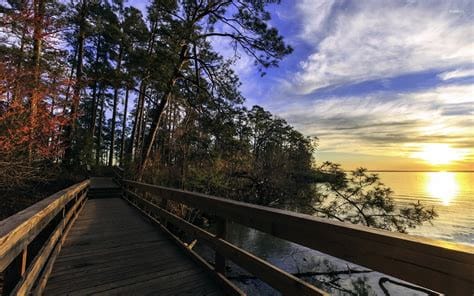
    Lake Livingston Hike Trail

    A Simple Spring Game Plan for Visitors

    ActivityBest ForWhy It Works in Spring
    HikingFamilies, couples, casual explorersMilder temperatures make trails more comfortable
    FishingAnglers, weekend visitorsPleasant weather supports longer time on the water
    Kayaking or CanoeingActive visitors, day-trippersSpring conditions are often better than peak summer heat
    BirdwatchingNature lovers, photographersSeasonal activity and greener landscapes improve the experience
    Ranger ProgramsFamilies, first-time visitorsGuided events add structure and local knowledge

    This kind of flexible planning is one reason Lake Livingston stands out as a spring destination. Visitors do not need a packed itinerary to have a good experience. A half-day trip can still feel worthwhile, while a full weekend can combine camping, recreation, and small-town stops around the region.

    Pair the Lake With Local Stops

    A strong Lake Livingston trip usually includes more than the park gate. Visitors often need breakfast before launching, a quick lunch after a hike, fuel before heading home, or supplies for a longer camping stay. That creates a natural connection between outdoor recreation and nearby local business activity.

    For Trinity-area readers, this is where local planning matters. A spring outing can become a broader “shop local” day by combining time at the lake with stops at area restaurants, service businesses, and community retailers. That same local-first mindset also fits naturally with our recent look at spring home projects, where seasonal spending stays rooted in businesses that serve the Trinity community.

    The result is a more complete regional experience. Visitors get the scenery and recreation they came for, and local businesses benefit from the steady movement that spring tourism brings.

    Check the Conditions Before You Go

    One of the smartest things spring visitors can do is check official conditions before leaving home. Weather in the Lake Livingston area can shift quickly in March and April, with warm afternoons sometimes mixed with showers or thunderstorms. Forecast sources for Livingston recently showed spring highs in the 80s along with changing rain chances, which is typical for the season.

    It is also worth checking the official park page for day-use details, event schedules, maps, and any operational updates. For the most reliable planning information, visitors should review the Lake Livingston State Park page before making the trip.

    That small step can make a significant difference, especially for families coordinating around weather, special events, or limited weekend time.

    Why Lake Livingston Matters to the Region

    Lake Livingston is not just a recreational asset. It is one of the region’s most important engines for seasonal activity, drawing people into East Texas and encouraging them to spend time, money, and attention in the surrounding communities. In spring, that effect becomes more visible. Roads are busier, campgrounds are more active, and nearby businesses begin to feel the seasonal lift.

    For Trinity and the surrounding area, that matters. The more effectively the region connects outdoor recreation with local commerce, the stronger the local impact can be. A spring visit to Lake Livingston may begin as a plan for hiking, fishing, or paddling, but it often turns into something broader: a day that supports the restaurants, retailers, and service providers that help define this corner of East Texas.

    Spring does not last long. For anyone considering a weekend outing, family trip, or simple change of pace, Lake Livingston offers one of the clearest seasonal opportunities close to home.