Littleton Rate Study work has moved into a public review stage just after the city’s sewer and storm drainage utility bills were due on August 17, 2026. The City of Littleton’s June/July 2026 report said those bills carried the August 17 due date and said the city was working with a consultant to study sewer and stormwater service rates, with the goal of moving from reactive repairs toward proactive maintenance June/July Littleton Report. For residents, that means the bill deadline has passed, but the public discussion over how future sewer and stormwater charges should be structured is still active.
Utility Bills And Public Review Dates
What Changed After August 17
The August 17, 2026, utility bill due date is now in the past as of August 19, 2026. That timing matters for households and property owners because the city’s rate review is not about a single bill alone. It is tied to how Littleton plans to pay for sewer and stormwater service needs in future billing cycles. The city has described the study as a way to evaluate appropriate rates for these public systems, not as a finished rate decision in the cited city material.
Annual sewer and storm drainage bills can draw more attention than smaller recurring charges because residents see the full amount at once. The city’s current process, as described on its project page, includes public input on billing frequency. That gives residents a chance to weigh not only the size of any future charge, but also how often it should appear on a bill.
Meetings Listed For Residents
The city scheduled two public information opportunities tied to the sewer and stormwater rate work: an in-person open house on August 26, 2026, from 4 to 6 p.m. at Littleton Center, 2255 W. Berry Ave., and a virtual webinar on September 3, 2026, from 5:30 to 7 p.m., according to the city’s Sewer and Stormwater Rate Study page. As of August 19, both dates were still ahead. Residents who want to understand the rate study process, ask about billing options, or hear how staff describes system needs have clear dates to track.
The meeting format also matters. An open house can give residents direct contact with city staff and project materials, while a webinar can help people participate without traveling to Littleton Center. Both formats can broaden participation for workers, caregivers, older residents, and others who may not be able to attend a traditional evening meeting in person.
What The Littleton Rate Study Covers
Why The Littleton Rate Study Matters
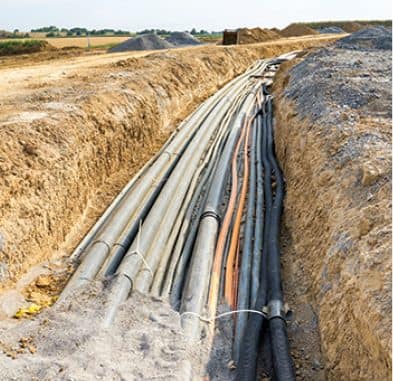
The Littleton Rate Study focuses on two core public services: sanitary sewer and stormwater drainage. These systems are often out of sight, but they affect daily life across the city. Sewer systems carry wastewater away from homes and businesses. Stormwater systems help move rain and runoff away from streets, public areas, and private property. When either system falls behind on repair needs, the effects can show up through service problems, road disruptions, drainage failures, and higher emergency repair costs.
The city’s stated shift from reactive repair to proactive maintenance is a significant civic point. Reactive repair usually means responding after a failure or urgent problem appears. Proactive maintenance asks the city to plan work before conditions worsen. That kind of shift can affect budgets, utility bills, public works schedules, and the timing of construction in neighborhoods.
For residents, the Littleton Rate Study is also a chance to ask how the city defines fair cost sharing. Sewer and stormwater systems serve properties in different ways. A rate process can raise questions about fixed charges, usage-based charges, property type, runoff, billing timing, and affordability. The official sources provided for this report do not establish a final future rate schedule, so residents should treat the current process as a study and public input period rather than a completed outcome.
Billing Frequency Questions
The city is seeking input on whether to keep the current annual billing cycle or move to a different frequency. The options listed in the city’s project materials include several possible billing schedules:
- Monthly billing
- Bimonthly billing
- Quarterly billing
- Semiannual billing
- Keeping the annual billing cycle
That question is practical for many residents. A once-a-year bill may be easier for some property owners who plan around an annual expense. Smaller recurring bills may be easier for others who budget month to month. The city’s request for feedback gives residents a direct way to explain how billing timing affects household planning, especially for people on fixed incomes or with seasonal income patterns.
Infrastructure Issues Behind The Review
Stormwater Lessons From 2023
The city’s project page points to the 2023 heavy rains that overwhelmed Littleton’s stormwater system and led to significant sinkholes along Jackass Hill Road, Mineral Avenue, and South Broadway. That local example gives residents a concrete reason to follow the rate discussion. Stormwater infrastructure is not only a drainage issue; it can become a road safety, mobility, and neighborhood access issue when major failures occur.
Public works planning often asks residents to consider costs before a visible emergency happens. That can be a difficult civic conversation because preventive spending may feel less urgent than fixing a known break. Littleton’s rate study places that conversation in front of the public now, before final decisions described in the cited material have been made.
Resident Impacts To Watch
Several resident-facing questions stand out from the official materials. The first is whether the city changes the timing of bills. The second is how the city explains the relationship between future rates and maintenance needs. The third is how public feedback from the August 26 open house and September 3 webinar is recorded and used in the process.
Residents should also watch for plain-language explanations of sewer and stormwater responsibilities. Utility bills can be confusing when multiple public systems are listed together. Clear notices, examples, and public meeting materials can help residents understand what portion of a bill supports wastewater service, what portion supports drainage, and what work is expected from those funds.
Civic Engagement Beyond The Utility Account

Why Public Input Counts
Public input is most useful when it is specific. Residents can ask whether the city has evaluated the tradeoffs between annual and more frequent billing, how payment timing would affect city administration, and what customer support would be available if billing practices change. They can also ask how the city will keep residents informed after the open house and webinar have ended.
For readers interested in understanding local government finance in a broader context, One United Michigan offers coverage related to similar civic issues across its network. The Littleton utility discussion highlights the localized and practical nature of infrastructure finance linked to essential public services.
Questions Residents Can Bring
Residents attending or viewing the scheduled information sessions may want to bring questions that connect the study to daily life. How would billing frequency changes be communicated before they take effect? Would residents receive examples before a new structure is adopted? How would the city explain differences between sewer and stormwater charges? What public process would happen before any final rate action?
Those questions can help move the discussion from broad concern to useful civic feedback. They also give city staff a clearer picture of how residents read their bills, how they plan for utility costs, and what information they need before any change is considered.
Littleton Rate Study Next Steps
What Residents Should Track
The Littleton Rate Study now moves through its public information stage with two scheduled dates still ahead as of August 19, 2026. The immediate bill due date has passed, but the policy discussion continues through the August 26 open house and the September 3 webinar. Residents affected by sewer and storm drainage charges should track city notices, review the official project materials, and use the scheduled sessions to ask how any future recommendations would affect billing timing and public works planning.
The key civic issue is not only whether charges change. It is whether residents understand why the city is studying rates, what maintenance approach the city is trying to support, and how public input will be reflected before decisions move forward. In a local utility system, clear public process can be as important as the engineering work behind it.