
As of Oct. 21, 2026, the Trinity Governance Meeting described as a community meeting in Trinity, Texas, on Oct. 30, 2026, is not confirmed by the verified materials available for this report. No official notice, agenda, meeting minutes, or credible local report in the research confirms a public meeting on that date about local governance changes. That matters for residents because city, county, school, and special district decisions should be tracked through posted agendas, public notices, and formal records, not through unsourced claims.
The question still deserves attention. Trinity County has had recent verified government activity that affects public services, including the county’s preliminary 2027 budget action in August. Residents who heard about an Oct. 30 meeting should treat the claim as unverified unless an official notice is posted by the relevant public body. For those looking to compare local civic information with trustworthy sources, visiting ITPR can be beneficial, as it is a related site.
What Is Known About The Trinity Governance Meeting Claim
Trinity Governance Meeting Date Status
The reported date is Oct. 30, 2026, and the described location is Trinity, Texas. The subject is said to be local governance changes. Based on the research provided for this article, there is no verified official posting that confirms that meeting. A confirmed Trinity Governance Meeting would normally have a public trail: a posted agenda, a meeting notice, a legal notice, minutes from a prior meeting, or a statement from the city, county, school district, or another public agency.
That public trail is not just a paperwork detail. It is how residents know who called a meeting, what action may be taken, whether public comment is allowed, and which office is responsible. If a claim does not identify the sponsoring body, meeting place, agenda items, and posting authority, residents should pause before treating it as official.
Why Verification Matters Locally
Trinity County residents rely on accurate meeting information to plan comments, follow tax and service decisions, and understand which office has authority over a topic. A governance-related meeting could involve many different public bodies, and each body has its own notice process. County business is different from city business. School district business is different from county budget work. Without a posted agenda, the public cannot confirm whether a meeting would involve policy discussion, a vote, a workshop, or general community feedback.
This is also a practical issue for working residents. Many people in the county must arrange transportation, child care, work schedules, or volunteer coverage before attending a public meeting. If the date is not confirmed, residents risk spending time on an event that may not exist or may not be an official proceeding.
Verified Local Governance Activity Residents Can Track
County Budget Action On Aug. 14
While the Oct. 30 meeting claim remains unverified, Trinity County did take a verified budget step earlier in 2026. The county approved its preliminary 2027 budget during a special session on Aug. 14, 2026, with cuts across all departments to avoid a tax increase, according to KLTV’s report on the preliminary budget. That is the type of documented action residents can track because it is tied to a dated meeting and a named government body.
The same report said the sheriff’s office was expected to lose deputies under the proposed 2027 budget, with staffing potentially dropping from 13 deputies to 10. That kind of change affects public service capacity and deserves careful public attention. It also shows why unsupported meeting claims can create confusion: residents may be trying to connect real budget pressure with a rumored governance discussion, even when no official notice ties those subjects together.
Public Services And Resident Questions
Budget reductions across departments can lead residents to ask direct questions about staffing, service hours, response times, road work, records access, and other county functions. Those questions are best raised in official settings where a governing body can receive comments and, when allowed by law, take action. A rumor about a meeting should not replace the posted record.
Residents who want to follow county-level action should look for the meeting type, the date, the agenda item, and whether the agenda allows action. A workshop may allow discussion without a vote. A regular meeting may include action items. A special session is generally tied to specific posted business. These distinctions shape what residents can expect from any public gathering.
How Residents Can Check Public Notices
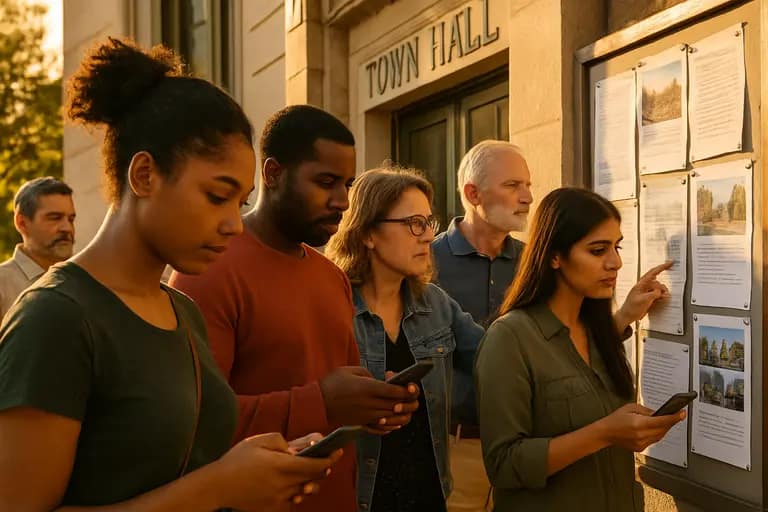
Start With Official Postings
Trinity County publishes public notices for matters such as hearings, budget proposals, and subdivision rules and regulations on its official public notices page. That page is a key starting point for county-related items. If a claimed meeting concerns county government, residents should look for a matching notice, agenda, hearing announcement, or related legal posting.
For a city-level matter, residents should check city postings. For a school issue, residents should check school board notices. For a special district, residents should identify the district and check its public posting location. The name of the sponsoring body is essential. A notice that simply says a meeting will discuss “governance changes” is not enough unless it can be tied to an agency with authority.
Questions To Ask Before Sharing A Meeting Claim
Before sharing a meeting notice with neighbors or on social media, residents can use a short verification checklist:
- Which public body called the meeting?
- Is the date, time, and location listed on an official page or posted notice?
- Does the agenda describe the governance topic in clear terms?
- Will the body discuss the item only, or can it vote?
- Is there contact information for the clerk, secretary, or public information office?
These steps help residents separate official civic business from informal conversation. They also protect public trust. If residents later find a verified posting for Oct. 30, the best next step is to read the agenda closely and confirm whether public comment rules are listed.
Past local coverage has also urged residents to rely on official agendas when meeting claims are unclear. A related report on unconfirmed Trinity governance meeting claims made the same point: the safest route is to verify the posting through the public body responsible for the meeting.
Trinity Governance Meeting Verification Steps
What Residents Should Do Now
Until an official notice appears, residents should treat the Trinity Governance Meeting claim for Oct. 30, 2026, as unverified. That does not mean residents should ignore local governance. It means they should focus on confirmed records, especially notices connected to county budget action, city agendas, school board postings, and any special district notices that affect taxes, services, land use, or public safety.
Anyone who received a flyer, text message, social post, or verbal notice about the Oct. 30 meeting should look for the original source. If the source is not a government office, public body, or credible local news report citing officials, the information should be treated with caution. Residents can also contact the relevant office directly during business hours and ask whether the meeting is posted, which body is hosting it, and where the agenda can be reviewed.
What Would Change The Status
The status would change if an official agenda, notice, or verified report identifies a public meeting in Trinity on Oct. 30, 2026, about governance changes. The notice should name the agency, state the time and place, list the agenda items, and provide any public comment rules. If that happens, residents would have a clearer basis for attending, preparing comments, and asking informed questions about how local decisions may affect services and budgets.
For now, the verified civic record points to recent county budget action, not to a confirmed Oct. 30 governance meeting. Residents should keep checking official postings and ask for documentation before circulating claims. Accurate meeting information helps Trinity County residents use their time well and keeps public participation grounded in the records that local government is required to provide.
Leave a Reply