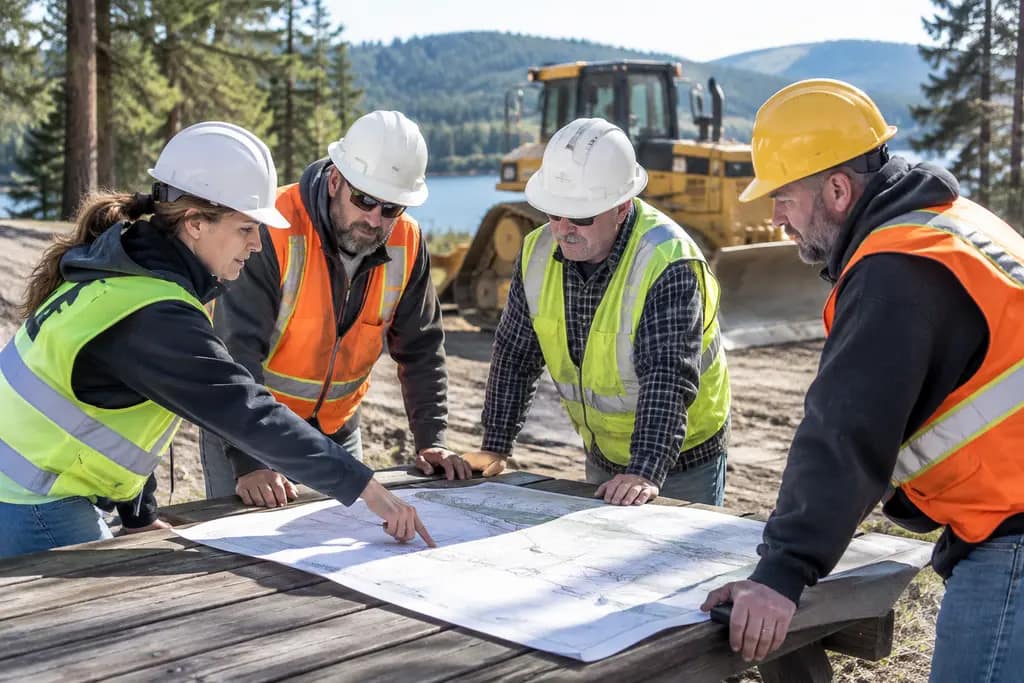
Trinity County public works planning reached a major civic checkpoint after the county released the Draft Environmental Impact Report for the General Plan Update, known as Trinity 2050, on July 15, 2026. The county opened a 47-day public review period that ran from July 15 through August 31, 2026, according to the county notice. As of October 31, 2026, that review window had closed, which means residents are now watching how the county uses the public record as it continues work on land use, transportation, housing, open space and public safety policy for the next 25 years.
The change matters because the General Plan Update is not just a planning document for county offices. It sets the policy frame that can guide future public works priorities, including where growth is encouraged, how transportation needs are evaluated, how public safety concerns are weighed and how rural communities are considered in countywide decisions. The available official record does not provide every later contractor selection, construction calendar or funding vote for individual projects, so this report focuses on what the county has formally documented through the Draft EIR notice and the earlier Notice of Preparation.
Trinity County public works Timeline
Trinity County public works Review Dates
The July 15 release started the formal Draft EIR review period for the Trinity 2050 General Plan Update. That step gave residents, agencies and community organizations a defined period to review environmental analysis tied to the county’s long-range policy choices. The review period ended on August 31, 2026, so residents seeking the next public step should follow county agendas and planning notices rather than relying on the expired comment deadline.
For civic readers, the date matters because public works planning often moves in stages. A county may first define broad goals, then study environmental effects, then refine policy language, and later connect those policies to capital planning or project approvals. The Draft EIR stage does not by itself build a road, replace a bridge or extend a utility system. It does, however, shape the public record that future county decisions can cite.
Countywide Scope Began In January
The environmental review process was set in motion earlier in 2026. Trinity County issued the Notice of Preparation on January 7, 2026, to seek comments on the scope of environmental evaluation for the General Plan Update. The notice applied countywide and sought input from state, local and tribal agencies, according to the Notice of Preparation.
That countywide scope is significant for Trinity County public works because transportation, housing and public safety needs differ by community. A planning document that applies across the county must account for rural roads, small community centers, emergency access, housing constraints and open space policy without treating every area as if it has the same service needs.
What The Draft EIR Covered
General Plan Topics
The county’s release identified the General Plan Update as a 25-year planning effort covering land use, transportation, housing, open space and public safety. Those subjects sit at the center of many county service questions. Land use policy can affect where future services are expected. Transportation policy can influence how roads and access are prioritized. Housing policy can shape how the county plans for residential needs. Open space and public safety policies can affect how growth is balanced with fire risk, evacuation concerns and resource protection.
Because the Draft EIR comment period has already passed, the immediate civic task is not to submit comments for that closed window. The task is to track how the county responds to comments, how any final environmental documents are presented, and when the Board of Supervisors or planning officials place related actions on public meeting agendas. Residents who followed earlier coverage of local public works planning will recognize the same pattern: budget, infrastructure and long-range policy decisions often connect over several meetings, not just one notice.
What Was Not Settled
The official materials cited here do not list a final package of construction awards tied directly to the July 2026 Draft EIR release. They also do not, by themselves, approve specific capital projects. That distinction is important for residents trying to separate planning from construction. A General Plan Update can guide public works policy, but later steps are usually needed before individual projects move into design, bidding or construction.
That uncertainty should not be read as inaction. It means the public record is still the best tool for tracking what has formally changed. Residents should watch for staff reports, environmental responses, hearing notices, agenda packets and adopted resolutions. Those documents show whether a planning concept has become a funded project, a zoning change, a service priority or a later study item.
Community Impacts For Residents

Roads, Housing And Safety
The issues named in the General Plan Update touch daily life in direct ways. Transportation planning can affect commute reliability, emergency access and maintenance priorities. Housing policy can affect where new residential development is considered and how the county plans for future need. Public safety planning can influence how the county evaluates risk, response access and community resilience. Open space policy can affect how development patterns are balanced with resource protection.
For Trinity County public works decisions, those links matter because infrastructure planning rarely stands alone. A road improvement may relate to public safety access. A housing policy may require review of nearby services. A land use change may affect future traffic analysis. The General Plan Update gives the county a framework for considering those connections in public rather than treating them as separate one-time decisions.
How Residents Were Affected
Residents had a formal chance to review and comment during the 47-day Draft EIR period that ended August 31, 2026. People who did not comment during that window may still follow later public meetings, but they should understand that each stage has its own deadline and purpose. Missing one review period does not prevent someone from attending a later public meeting, but it can limit when specific environmental comments are entered into that part of the record.
Local business groups, civic organizations and chambers often help residents track public notices and meeting dates. For readers comparing how regional civic groups share community information, the Richland Chamber provides a comparative example in the same network. In Trinity County, the most reliable record for county action remains official county notices, posted agendas and adopted documents.
Civic Steps For Trinity County public works
Public Record Still Matters
The next practical step for residents is to keep attention on public agendas and county planning updates. The Draft EIR review period has closed, but the policy process continues through public documents and official meetings. Residents should look for agenda items that refer to the General Plan Update, Trinity 2050, environmental review, zoning updates, transportation policy, housing implementation or public safety planning.
Trinity County public works planning now sits at the point where long-range policy and future project choices begin to meet. The county has documented the broad scope: land use, transportation, housing, open space and public safety over a 25-year planning period. What remains for residents is steady civic follow-up: reading posted materials, checking meeting dates, and asking how broad policy language will affect specific roads, neighborhoods, emergency access routes and service needs across the county.
Leave a Reply