
The Greensboro Data Center Moratorium changed the city’s development process on August 18, 2026, when the Greensboro City Council voted 8-0, with one recusal, to pause applications for certain large data center projects. The action applies to new data centers, data storage or processing facilities, and similar uses that would consume more than 10 megawatts of electrical power, according to the city’s official notice on the council-approved moratorium. For residents, builders, utilities, and neighborhood groups, the vote created a defined review period rather than a permanent ban.
What The Greensboro Data Center Moratorium Changed
Which Projects Are Covered
The moratorium covers development applications for new large-scale facilities that exceed the city’s stated power threshold. The 10-megawatt cutoff matters because it separates the largest data center proposals from smaller technology or storage uses. Based on the city’s published description, the pause does not apply to every server room, office technology use, or smaller facility. It is aimed at the type of project that can place sizable demands on local power systems, water planning, noise standards, and land-use review.
The measure runs from its August 18, 2026 adoption date through Sunday, February 14, 2027. During that period, the city paused approval or processing of qualifying applications. City materials also say smaller proposals below the threshold are not affected, while existing approved or under-construction facilities are exempt. That distinction is significant for property owners and nearby residents because it keeps the moratorium focused on new, large-demand projects rather than reopening every past approval.
Why The Threshold Matters
A power threshold gives staff and elected officials a measurable way to define the projects under review. Without that type of line, data center regulation can become difficult to apply evenly across very different facilities. A small technical use inside an existing commercial building does not raise the same questions as a large data processing campus with heavy electrical demand. The threshold also gives developers a clearer signal about whether a proposal will face the temporary pause.
For neighborhoods, the definition helps frame public comments around specific local concerns. Residents can ask how a large power user may affect nearby infrastructure, whether noise standards are adequate, and whether water planning should be part of the approval process. For the business community, the same definition offers a short-term rule while the city reviews its Land Development Ordinance language.
Community Development Effects
Land Use And Infrastructure Questions
Data centers often enter local debate through zoning, utility capacity, and site design. In Greensboro, city records tied the moratorium to concerns about environmental impacts, including energy, water, and noise, along with land use, infrastructure strain, and the need for adequate regulatory definitions. Those are local planning questions, not abstract technology questions. They affect how industrial land is used, how utility capacity is reserved, and how nearby residents experience development.
For community development, the pause gives Greensboro time to examine whether existing rules are specific enough for high-power facilities. If city code language is too broad, staff may have limited tools to address issues before a project moves forward. If rules are too restrictive, the city may discourage investment without a clear public purpose. The six-month window is meant to give the council time to hear from technical experts, residents, and interested property owners before deciding whether permanent ordinance changes are needed.
Economic Development And Project Timing
The moratorium does not cancel every data-related project in Greensboro. It delays the city’s review of new qualifying applications while the council evaluates the rules. That distinction matters for economic development discussions. Developers and landowners may face schedule changes, but the city has not adopted a permanent prohibition. Residents who support tighter rules and those who favor faster investment now have a public process to make their case.
The pause also creates questions around proposals that have been discussed in prior years, including the Dream Center project at Gateway Research Park. Research notes indicate that project was announced in 2022 with data center, education, and training facility components, that its site plan expired in 2025, and that it still faces regulatory steps. The direct effect of the moratorium on that project remains unclear based on the available record. What is clear is that any qualifying new application during the pause would be subject to the temporary limits.
- The moratorium was adopted on August 18, 2026.
- It runs through Sunday, February 14, 2027.
- It applies to new qualifying facilities using more than 10 megawatts of electrical power.
- The city identified energy, water, noise, land use, infrastructure, and ordinance definitions as review issues.
Public Process And Council Timeline
Greensboro Data Center Moratorium Timeline
The public record shows the council’s position shifted over several weeks. On July 21, 2026, the council rejected a motion by a 5-4 vote to begin the moratorium process, according to the July 21 council meeting record. That close vote showed the issue was unsettled before the later unanimous action on August 18.
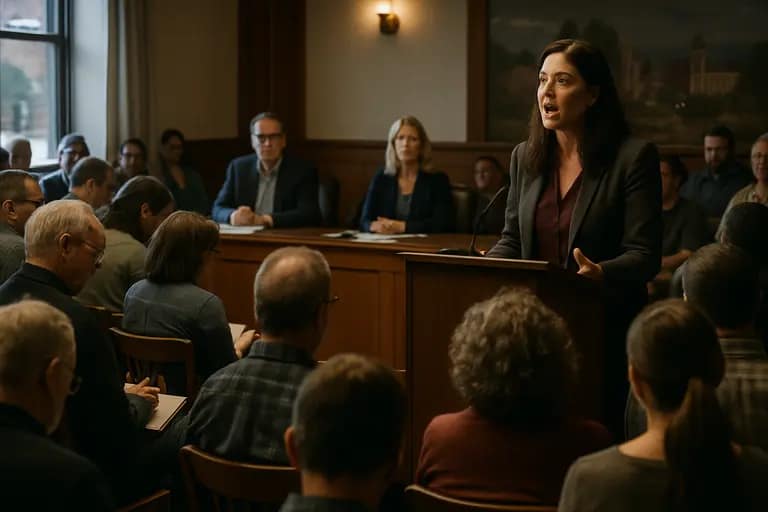
On August 3, 2026, the council unanimously approved beginning the formal process for a 120-day moratorium proposal, including a public hearing. A public hearing was held on Monday, August 17, 2026, from 4 p.m. to 6 p.m. at the Katie Dorsett Council Chamber. The final measure approved the next day was longer than the earlier 120-day proposal, setting a 180-day pause.
How Residents Can Track The Review
The Greensboro Data Center Moratorium arrived after residents and advocacy groups pushed for stronger limits, including requests for a 32-month pause or permanent restrictions. The adopted 180-day measure was shorter than those requests. City materials also said the council would hold multiple work sessions open to the public, with in-person and virtual access, to gather expertise and community feedback during the moratorium period.
Residents who want to follow the process should watch for City Council agendas, posted work session materials, and any proposed Land Development Ordinance text. Useful comments will likely focus on the specific issues under review: power demand, water use, noise, land compatibility, utility planning, and whether the ordinance clearly defines data center uses. Property owners and business groups can also use the same meetings to explain site-planning needs, investment timelines, and any safeguards they believe should be recognized in city rules.
Greensboro Data Center Moratorium And Public Input
The Greensboro Data Center Moratorium now gives the city a set period to decide how large data center proposals should fit into Greensboro’s growth plans. The vote did not settle every question, and the direct effect on specific projects remains uncertain unless a project falls within the ordinance language and requires city processing during the pause. What changed is the civic calendar: council members, staff, residents, utilities, and developers now have until February 14, 2027, to work through a public review.
For local readers, the next step is participation rather than speculation. Public work sessions and posted agenda materials will show whether the council moves toward tighter definitions, new performance standards, or a return to prior rules after the pause expires. Our newsroom will continue tracking official city actions tied to land use, infrastructure, and economic development. Readers following civic coverage across our broader community network can also visit Saint Joseph Detroit, a related site in the same network, for more community-focused information.
Leave a Reply