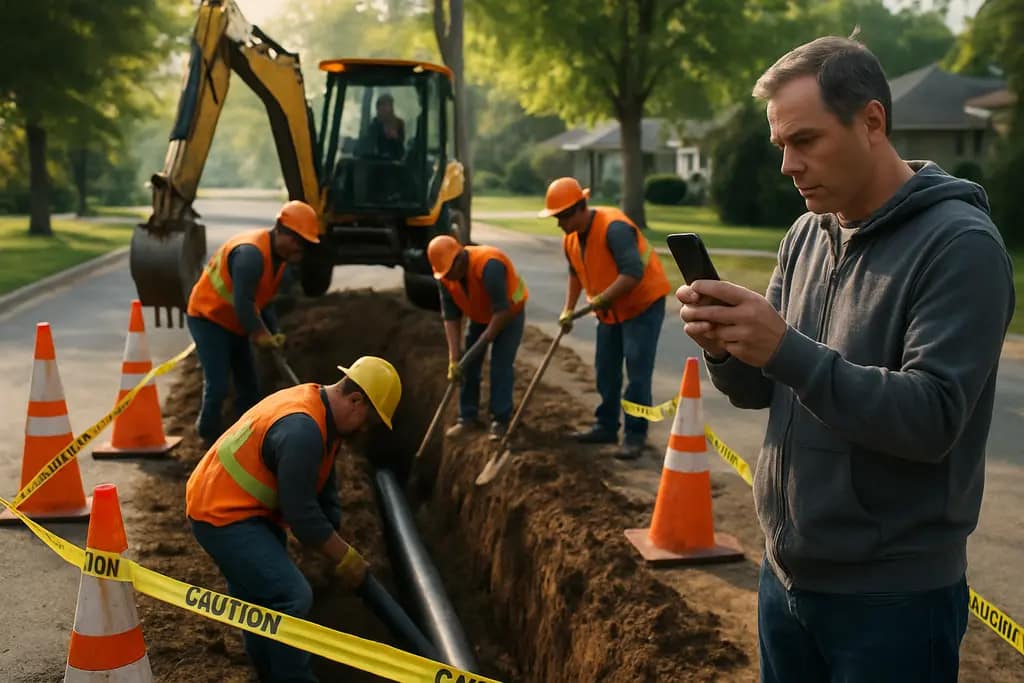
Maumee Infrastructure Ordinances have moved sewer inspections, private property connections and sanitary system repairs into the center of local civic debate. For residents, the issue is not only what City Council approved in 2024, but how those actions connect to sanitary sewer work tied to Ohio EPA findings, neighborhood repairs and future property sales. As of September 29, 2026, the supported record shows a mix of past council action, ongoing sewer evaluation work and continued questions for homeowners who may face inspection or repair requirements.
Maumee Infrastructure Ordinances And What Changed
Maumee Infrastructure Ordinances At Sale
On June 17, 2024, Maumee City Council unanimously passed an ordinance requiring inspections of sanitary sewer connections on properties when homes were sold or when the city requested one, according to Toledo City Paper. That action brought property transfers directly into the city’s sewer compliance effort. The same public debate raised practical concerns for sellers, buyers, real estate agents and residents who may not have expected a sewer lateral inspection to become part of a home sale process.
Subsequent local reporting in the research record said the June 2024 measure was repealed on July 30, 2024, after resident backlash. Because that repeal is part of the known timeline, residents should not treat the June 17 action alone as the current rulebook for a 2026 property sale. The safer civic step is to confirm present requirements with Maumee officials before listing a home, signing a purchase agreement or approving repair work.
Current Enforcement In The SSES
The city’s sanitary sewer work did not end with the inspection-at-sale debate. Maumee’s Sanitary Sewer System Evaluation Study reports that Ordinance 037-2024, passed in 2024, declares substandard and defective laterals and any clean water connection to the sanitary system a nuisance, giving the city authority to enforce repairs and treat such conditions as violations, according to the Sanitary Sewer System Evaluation Study. That language matters because it shifts attention from city-owned mains alone to private connections that can send stormwater or groundwater into the sanitary system.
For a household, that can mean a sewer issue is not limited to a blocked line or backup call. A defective lateral, footer drain, downspout or other clean water connection may become a compliance issue if it contributes unwanted flow. Maumee Infrastructure Ordinances therefore affect not only public works planning, but also routine decisions about property maintenance, contractor estimates and real estate disclosures.
Sewer Lining, Overflow Points, And Uptown Work
Projects Tied To Ohio EPA Orders
The SSES states that, since 2023, nearly seven miles of sanitary sewer lines, especially in the Uptown section, are to be lined by the end of 2026. That repair approach is meant to reduce inflow and infiltration by improving the condition of existing sewer lines. The study also reports that four sanitary sewer overflow discharge points, SSOs 303, 306, 309 and 310, have been eliminated as part of the city’s response to Ohio EPA findings and orders issued in July 2021.
Those facts give residents a clearer view of why Maumee’s sewer rules have become more visible. The city is addressing both public infrastructure and private-source contributions to sewer flow. Public lining work can reduce leakage into mains, while enforcement against defective private laterals or clean water connections can address water entering the sanitary system before it reaches the main line.
Why Private Connections Matter
Private connections matter because the sanitary system is designed to carry wastewater, not roof runoff, sump discharge or other clean water. When extra water enters sanitary sewers, the system has more volume to manage during wet weather. The SSES record connects Maumee’s local work to state-level environmental orders, which means these ordinances are not just a local paperwork issue. They sit within a broader compliance track involving the city and Ohio EPA.
For residents in older neighborhoods, especially areas near ongoing sewer lining work, the practical question is whether their property has a condition that city code now treats as defective or as a nuisance. That may require a camera inspection, a contractor’s estimate or documentation showing prior corrective work. It may also require patience, because city programs, repair schedules and property-sale questions do not always move on the same timeline.
Resident Steps Before A Sale Or Repair
Records To Gather
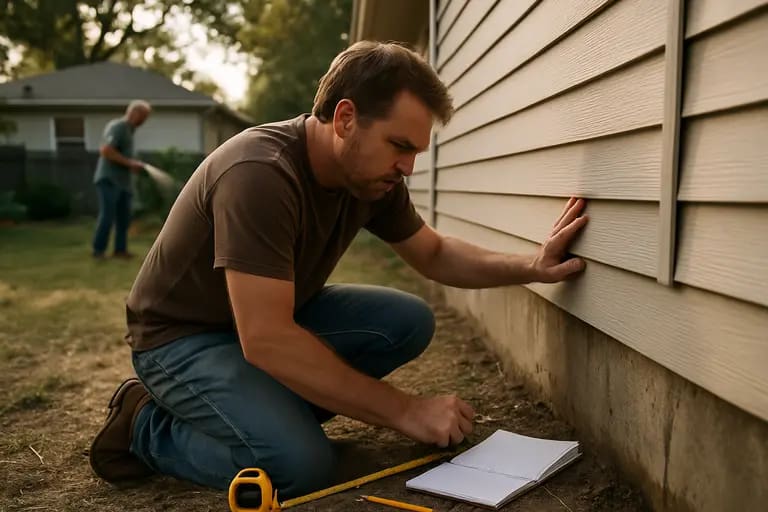
Residents preparing for a home sale or repair conversation should gather sewer-related records before deadlines become urgent. Useful documents may include prior inspection reports, contractor invoices, permits, repair photos, closing records and any correspondence from the City of Maumee. A buyer should ask whether sewer work has been completed, whether an inspection has been requested and whether any agreement or obligation could carry forward after a sale.
- Ask the city which ordinance language applies to the property on the date of inquiry.
- Request written guidance before authorizing major sewer lateral repairs.
- Keep copies of inspection videos, invoices, permits and city correspondence.
- Raise timing questions early if a closing date is approaching.
Those steps will not resolve every dispute, but they can reduce confusion between sellers, buyers, contractors and city staff. They also help residents participate in council discussions with specific questions rather than general frustration. To gain a deeper understanding of local infrastructure matters, readers can stay informed with coverage available from County Watchers.
Questions For Council And Staff
At public meetings, residents can ask city officials to explain how Maumee Infrastructure Ordinances are being applied in 2026. Clear answers are especially useful on three points: what triggers an inspection, what repair timeline applies after a failed inspection, and what financial assistance or reimbursement terms are available when a private sewer correction is required. Residents can also ask how the city distinguishes between city-owned infrastructure work and property-owner repair obligations.
Those questions are civic in nature, not partisan. They affect housing transactions, household budgets, contractor scheduling and neighborhood infrastructure planning. Public records, meeting agendas and staff reports can help residents see whether enforcement is being applied consistently across neighborhoods and whether the city is meeting milestones described in the SSES.
Maumee Infrastructure Ordinances In 2026
As of September 29, 2026, the clearest takeaway is that Maumee Infrastructure Ordinances are part of a larger effort to reduce sanitary sewer overflows, address defective private laterals and meet environmental obligations. The June 2024 inspection ordinance drew strong public attention, and the SSES shows the city’s sewer program also includes line lining, overflow-point elimination and enforcement language tied to nuisance conditions.
Residents affected by a sale, inspection notice or sewer repair should rely on current city guidance, written documentation and public meeting records rather than word of mouth. The next civic step is direct engagement: ask Maumee officials which rule applies to a specific property, request the applicable deadline in writing and follow council agendas for any changes to inspection, repair or reimbursement procedures.
Leave a Reply