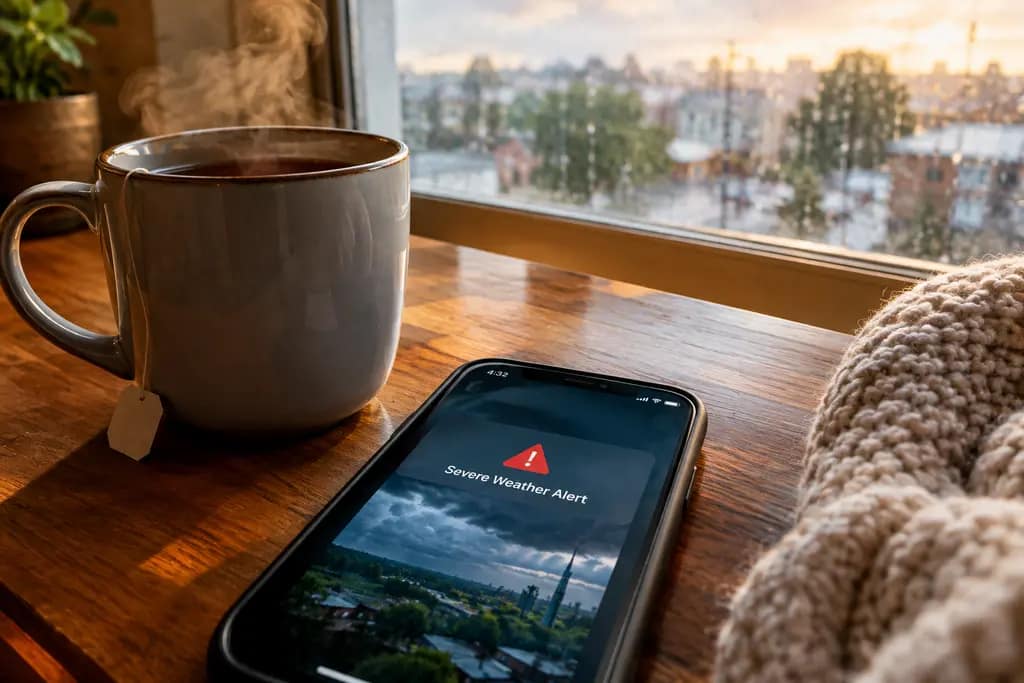
Trinity Winter Preparedness is moving back onto the civic checklist for residents as winter 2026-27 approaches. The most direct change for local households is the county alert system: Trinity County has replaced CodeRED with ReadyTrinity.org for emergency alerts, and residents are being directed to register through ReadyTrinity.org/alerts for weather notifications. With winter storms able to affect power, roads, heat, and communications, this is a practical time for families to review alerts, home heating, vehicle supplies, and energy bill support.
Trinity Winter Preparedness Starts With Alerts
ReadyTrinity Alerts Replace CodeRED
Trinity County’s shift from CodeRED to ReadyTrinity.org matters because emergency messages are only useful when residents are enrolled in the current system. County emergency preparedness materials in the research for this report identify ReadyTrinity.org/alerts as the registration point for critical weather notifications. Residents who signed up for older alert tools should not assume their contact information carried over unless the county says so through its official channels.
NOAA’s winter outlook, released on October 15, 2026, said a strong El Niño is expected to bring wetter-than-average conditions across the southern United States, including California, for December 2026 through February 2027 NOAA winter outlook. That forecast does not predict what will happen on any single Trinity County road or ridge, but it does support early preparation for storms that may bring rain, snow at elevation, travel delays, and outages.
Watch, Warning, And Advisory Terms
Residents should also review the difference between common National Weather Service terms. The research notes identify a Winter Storm Watch as a notice that winter storm conditions are favorable, often 12 to 48 hours before impacts. A Winter Storm Warning means dangerous winter weather, such as heavy snow, sleet, or freezing rain, is imminent or already happening, often issued 12 to 24 hours ahead. Advisories generally point to weather that may cause inconvenience or travel hazards but is less severe than warning criteria.
For civic readiness, the next step is simple: households should make sure every adult who makes travel, school, work, livestock, or medical decisions can receive alerts. One phone number for a household may not be enough if a storm separates family members or knocks out one device. Residents tracking community readiness across nearby counties can also compare local coverage through a related site in the same network, focusing on regional reporting and updates.
Home Heat, Health, And Utility Support
Cold Weather Risks At Home
Trinity County winter weather guidance cited in the research notes says winter storms may last from a few hours to several days. The same guidance lists hypothermia, frostbite, carbon monoxide poisoning, and heart attack from overexertion as hazards tied to winter storms. Those risks are not limited to mountain travel. They can affect residents inside homes during outages, while clearing snow, while using unsafe heating methods, or while working outside in wet and cold conditions.
Public-health winter safety guidance in the research recommends dressing in dry layers outdoors, using alternate heat sources safely, and knowing the signs of hypothermia and frostbite. For homes, the same body of guidance points to steps such as sealing exterior doors and windows, inspecting heating systems and chimneys, insulating exposed pipes, and allowing faucets to drip when freezing conditions threaten plumbing. These actions are not glamorous, but they can reduce damage and help families stay in place during short-term disruptions.
LIHEAP Assistance For Energy Bills
For households already behind on utility bills, winter preparation also includes checking eligibility for help before a cold spell arrives. California’s Low Income Home Energy Assistance Program, known as LIHEAP, was funded at about $213.4 million for Federal Fiscal Year 2027 as of October 9, 2026, and can help eligible households with heating and cooling bills and weatherization services California energy bill assistance. The program is income-based, so residents should review the state guidance and local intake process rather than waiting until a shutoff or storm warning creates urgency.
Weatherization can be as significant as bill payment help. The research notes say services may include insulation, weather-stripping, and sealing leaks. In older homes, mobile homes, rentals, and remote residences, those measures may cut drafts and reduce the workload on heating equipment. Residents who rent should coordinate with property owners before making changes, while still documenting unsafe heat or weatherproofing concerns through proper housing or utility channels.
Roads, Vehicles, And Family Planning

Trinity Winter Preparedness Checklist
A practical Trinity Winter Preparedness checklist should account for the way storms can affect rural roads, household communications, and medical access at the same time. The county emergency preparedness page cited in the research advises residents to build a disaster supply kit, make a family emergency plan, and create a communication plan. Those steps help families decide in advance who checks on older relatives, where supplies are stored, how pets are handled, and what to do if phones or internet service fail.
- Enroll in ReadyTrinity.org/alerts and confirm contact information before storms develop.
- Store water, shelf-stable food, flashlights, batteries, medications, and basic first aid supplies.
- Check heating systems, chimneys, carbon monoxide alarms, exterior doors, windows, and exposed pipes.
- Keep vehicles winter-ready with fuel, working lights, usable tires, a flashlight, food, water, and basic tools.
- Write down family contacts and meeting points in case power or cell service is interrupted.
Vehicle preparation deserves special attention in Trinity County because a routine trip can change quickly when rain, snow, ice, fallen branches, or visibility problems affect roads. The emergency management guidance in the research recommends checking batteries, tires, lights, and defrosters, and carrying supplies such as a shovel, tow rope, flashlight, food, and water. It also recommends keeping at least a half tank of fuel. Residents should use official road and weather sources before leaving, then delay nonessential travel when warnings indicate dangerous conditions.
Coordination With Neighbors And Local Agencies
Preparedness is not only an individual task. Neighborhoods can reduce strain on emergency responders by checking on people who may need help before a storm, including residents who rely on electric medical equipment, people without reliable transportation, and households with limited heating options. Community groups, churches, schools, and service organizations can use county guidance to share consistent information instead of forwarding rumors or outdated alert links.
Residents who want a broader local checklist can review the chamber’s related winter readiness resources, which focus on home heat, pipe protection, travel caution, and local support before cold weather. The key civic habit is to use official notices for decisions that affect safety, schools, roads, and public services.
Weather Preparedness Resources For Trinity Residents
What Residents Can Do Before December 2026
Before December 2026, residents can take several low-cost steps that do not require waiting for a forecast. They can register for ReadyTrinity alerts, review household emergency plans, locate shutoff valves, test smoke and carbon monoxide alarms, gather supplies, and identify a backup way to charge phones. Residents with higher heating bills can review LIHEAP eligibility, while those in drafty homes can ask about weatherization options through the appropriate program channels.
Trinity Winter Preparedness is strongest when residents act early and use verified public information. NOAA’s seasonal outlook points to a wetter winter pattern for California, while county emergency guidance stresses alerts, family planning, and basic supplies. For residents, the next civic step is direct: update alert registrations, check on neighbors who may need help, and follow official county and state guidance as winter weather develops.
Leave a Reply