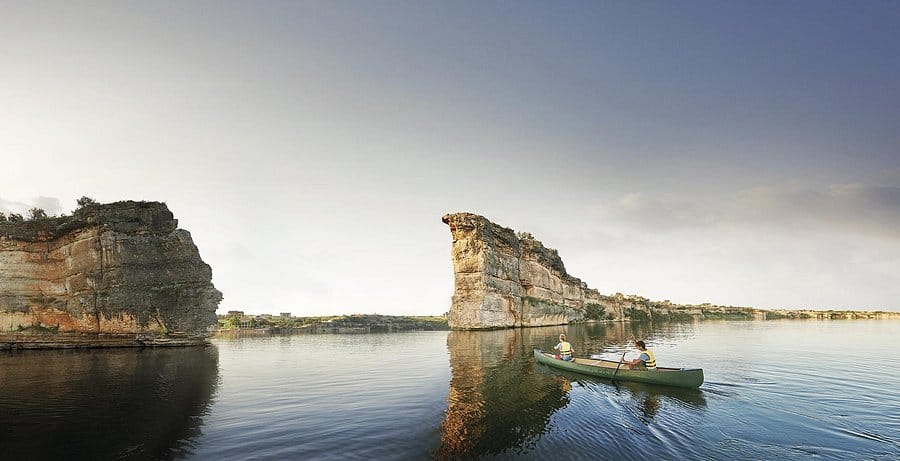
The economic vitality of the Trinity area is inextricably linked to the ebb and flow of Lake Livingston. While many residents and visitors view the lake primarily as a scenic backdrop for weekend recreation, its role as a fundamental engine for local commerce requires a more analytical perspective. From the moment a visitor launches a boat at a local marina to the evening they spend dining on Main Street, a sophisticated cycle of external capital begins to circulate. This influx of tourism dollars supports municipal infrastructure, stabilizes small businesses, and ultimately dictates the broader economic health of Trinity County.
The Ripple Effect Of Outdoor Recreation
The journey of a tourist’s dollar begins at the water’s edge, but the multiplier effect extends deeply into the surrounding community. When visitors travel to the region for angling, boating, or camping, they bring new revenue streams that bypass the standard limitations of our local population size. This external capital is crucial for rural economic development, as it introduces fresh currency into a closed geographical loop.
According to data compiled by the Texas Parks and Wildlife Department, outdoor recreation and state park visitations generate billions in retail sales across the state annually. Locally, this translates to a steady baseline of consumer demand that insulates our service sectors from broader national market fluctuations. Every campsite reserved and every fishing tournament hosted acts as an economic catalyst, prompting visitors to engage with businesses far beyond the immediate shoreline.
Quantifying The Hospitality And Retail Boost
Understanding exactly how tourism revenue is distributed allows local enterprises to better position their services. The transition of capital from recreational activities to standard retail is not accidental; it relies on an interconnected network of local vendors, service providers, and hospitality experts.
The table below outlines the standard distribution of the average daily tourist expenditure within a rural lake-adjacent economy, highlighting the diverse sectors that benefit from weekend visitations:
| Economic Sector | Estimated Share of Tourist Spend | Direct Beneficiaries in Trinity County |
| Lodging & Accommodations | 35% | Hotels, Motels, RV Parks, Short-Term Rentals |
| Food & Beverage | 30% | Main Street Restaurants, Diners, Grocery Stores |
| Retail & Supply | 20% | Bait Shops, Hardware Stores, Local Boutiques |
| Fuel & Transportation | 15% | Gas Stations, Auto Repair, Marine Maintenance |
As the data suggests, food and beverage establishments alongside retail operators capture half of all tourism expenditures. This demonstrates that an active Main Street is entirely co-dependent on the success of regional recreation. When tourists find comprehensive retail and dining options minutes away from their recreational base, the retention of out-of-county capital increases significantly.
Sustaining Growth Beyond The Peak Season
While the summer months historically represent the highest volume of consumer traffic, establishing a resilient economy requires strategic planning to capture revenue during the off-season. Forward-thinking business owners are increasingly leveraging autumn and winter fishing patterns, local festivals, and hunting seasons to maintain cash flow. The objective is to convert seasonal spikes into a steady, year-round economic baseline.
Achieving this consistency requires collaboration across the local business community. Cross-promotional strategies, such as lodging facilities recommending specific Main Street dining venues, create an integrated experience that encourages visitors to extend their stay. Businesses looking to forge these essential operational partnerships can start by exploring our local chamber directory to connect with allied vendors and regional service providers.
Building A Resilient Local Ecosystem
Ultimately, the goal of monitoring and fostering the tourism sector is to convert temporary visitations into long-term community wealth. The taxes generated through increased retail sales and hotel occupancies directly fund the municipal services that improve the quality of life for permanent residents. Improved roads, better emergency services, and upgraded public utilities are the direct dividends of a healthy visitor economy.
By recognizing the undeniable financial link between the natural assets of Lake Livingston and the commercial storefronts of Main Street, Trinity area businesses can better adapt their operational models. Emphasizing high-quality customer service, maintaining adequate inventory during peak regional events, and fostering strong civic partnerships will ensure that our local economy remains robust, diverse, and prepared for future growth.
Leave a Reply