• Trinity Governance Changes is the phrase attached to a claimed community meeting in Trinity, Texas, on September 30, 2026, but as of September 22, 2026, the event is not verified in the city’s posted meeting information. The City of Trinity’s official site shows a Regular City Council Meeting held on September 17, 2026, at 6:00 p.m. at City Hall and a Special City Council Meeting scheduled for September 23, 2026, at 5:30 p.m.; no September 30 governance meeting was confirmed in the posted agenda information on the City of Trinity site.

    That distinction matters for residents, business owners, civic groups, and local staff who plan their schedules around public meetings. A meeting labeled as a governance discussion could involve city procedures, meeting calendars, public participation rules, boards, or other civic operations. At this time, the verified public record does not confirm that such a meeting has been called for September 30, 2026. This report is limited to what has been posted by official city and county sources available for review.

    What Is Verified In Trinity

    Posted City Meetings

    The confirmed city schedule shows regular and special council activity in September, but not the claimed September 30 event. The Regular City Council Meeting on September 17, 2026, was listed for 6:00 p.m. at City Hall. A Special City Council Meeting was listed for September 23, 2026, at 5:30 p.m. These are the specific dates supported by the city’s published information.

    The city also posts schedules for public bodies such as the City Council, Economic Development Board, and special meetings. For residents, those postings are the primary place to check whether an item has moved from informal discussion to a public meeting subject to posted notice. If a September 30 meeting is later called, residents should expect to see a posted notice or agenda from the responsible public body before treating the date as confirmed.

    Regular Meeting Schedule Change

    The clearest verified governance change is not a September 30 community meeting. It is the city’s regular council schedule adjustment that took effect on September 1, 2026. The city changed regular council meetings from the second Thursday of each month to the third Thursday, while keeping the meeting time at 6:00 p.m.

    That schedule change can affect how residents track council business. Anyone who previously planned around second-Thursday meetings now needs to check third-Thursday dates. Local organizations, contractors, board applicants, and residents who want to speak during public comment should confirm the meeting date before arranging time away from work or family obligations.

    Trinity Governance Changes Meeting Status

    Trinity Governance Changes Date Check

    The phrase Trinity Governance Changes should be treated with caution until an official notice supports the September 30, 2026 date. A review of the available city information found no confirmed public meeting or hearing on September 30 tied to governance changes. A review of Trinity County’s public notice page also found no matching future public hearing or notice for that date, according to the county’s posted notices at Trinity County Public Notices.

    This does not prove that local officials will never discuss governance procedures on or near that date. It does mean the claimed September 30 event should not be reported as scheduled without a public posting from the city, county, or another responsible public entity. Residents should rely on posted agendas, public notices, and official meeting calendars rather than informal event references that do not identify the public body, location, time, or agenda item.

    What Residents Can Confirm

    Residents can take several practical steps before making plans around the claimed meeting date. The first step is to identify which public body is supposed to host the meeting. A City Council meeting, county public hearing, school board meeting, and economic development board meeting each follow its own posting path. The second step is to check whether a time, location, agenda, or notice has been published. The third step is to see whether the topic is described in plain terms, such as meeting calendar changes, charter questions, board appointments, public comment procedures, budget action, or other local governance matters.

    • Confirmed: Regular City Council Meeting listed for September 17, 2026, at 6:00 p.m. at City Hall.
    • Confirmed: Special City Council Meeting listed for September 23, 2026, at 5:30 p.m.
    • Confirmed: Regular council meetings changed from the second Thursday to the third Thursday beginning September 1, 2026.
    • Not confirmed: A September 30, 2026 community meeting on local governance changes.

    How Public Notices Shape Local Participation

    Public notice board outside a local government office

    Why The Posting Record Matters

    Public notices and agendas are more than paperwork. They tell residents when decisions may be discussed, where to attend, and what topics are expected to come before local officials. In a small city, a meeting schedule change can affect turnout, public comment, volunteer board participation, and how quickly residents learn about civic decisions.

    For Trinity residents, the shift to third-Thursday regular council meetings is the verified governance-related change with direct scheduling impact. The change gives residents a new recurring date to mark, but it also creates a transition period in which older habits may lead people to check the wrong week. Local civic groups, churches, neighborhood organizations, and business owners may want to update shared calendars to prevent confusion.

    Community Information Sources

    Local readers often follow several community information channels, but official postings remain the starting point for civic action. Community calendars can help residents notice patterns, and local coverage can explain why meetings matter. For seasonal event planning beyond city hall, readers can compare dates with fall events in Trinity County. For regional civic coverage, local readers can find valuable insights and updates offered by County Watchers.

    Those sources can support community awareness, but they do not replace the public notice record. Before speaking about a meeting as official, residents should look for the public body name, agenda title, meeting place, and date. If one of those pieces is missing, the event may be informal, unposted, postponed, or incorrectly described.

    Trinity Governance Changes And Civic Next Steps

    Questions To Ask Before September 30

    For residents who have heard about Trinity Governance Changes and a September 30 meeting, the next civic step is verification. Ask which public body called the meeting. Ask where the agenda is posted. Ask whether the meeting is a council meeting, a county hearing, a board session, or a community discussion not tied to formal action. Those questions help protect public participation from confusion and keep attention on confirmed local business.

    If a formal meeting is later posted for September 30, 2026, the details should show the time, location, public body, and subject matter. Until then, the verified September civic calendar points to the September 17 regular council meeting, the September 23 special council meeting, and the regular-meeting schedule change that began on September 1, 2026. Trinity Governance Changes remains an unverified label for the September 30 claim, not a confirmed city or county event.


  • A Trinity infrastructure meeting has not been confirmed under that exact title in the official materials reviewed for this report, but residents still have clear reasons to follow the City of Trinity’s public meeting schedule. The city has documented sewer funding, engineering discussions, and council action tied to infrastructure improvements that affect service planning, streets, utilities, and future public investment. As of September 21, 2026, the most responsible civic step is for residents to verify the next posted agenda with the City of Trinity before making plans, while using the known project records to prepare specific questions.

    What Is Confirmed About The Trinity Infrastructure Meeting

    Trinity Infrastructure Meeting Status

    The phrase Trinity infrastructure meeting appears to match a real community need more than a confirmed event notice in the research available for this report. No verified announcement was located for a town hall formally titled “Town Hall Meeting on Infrastructure Improvements” in Trinity, North Carolina. That distinction matters because residents should not rely on informal references when planning to attend a public meeting. For city business, the agenda, location, start time, and participation rules should come from an official notice or a posted council agenda.

    What is confirmed is that infrastructure has been part of recent city business. A special-called Trinity City Council meeting was held on June 22, 2026, at 6:30 p.m. in the City Council Chambers, and the listed matters included water ordinance amendments and engineering contracts, according to the June 22 meeting record. Because that meeting already took place, residents should treat it as part of the record rather than as an event to attend.

    For residents trying to understand whether another infrastructure-focused public session will be scheduled, the key is to watch for official meeting postings from the City of Trinity. A public notice should identify whether the session is a regular council meeting, a special-called meeting, a public hearing, or a separate town hall format. Each format can shape how residents speak, submit comments, or hear staff presentations.

    Sewer Funding And The 2026 Schedule

    State Funding And Sewer Timing

    The strongest documented infrastructure item in the research is the city’s sewer connection planning. Trinity was awarded $4.5 million in state funds in November 2023 for infrastructure projects, and the funds were later identified as gap funding for a sewer connection project with the City of High Point. The city’s fiscal schedule listed construction completion for that interlocal sewer project by December 2026, according to the adopted budget schedule.

    That timing gives the public a useful framework for any Trinity infrastructure meeting that may be announced. Residents can ask whether the December 2026 completion target remains in place, whether project costs have changed, and how the city plans to communicate construction impacts. Those are local service questions, not partisan questions, and they fit directly within the responsibilities of city government.

    The sewer project also connects to broader civic planning. Sewer capacity can influence where public investment is needed, how interlocal agreements are managed, and how residents receive updates on construction schedules. The available research does not support claims about rate changes, specific neighborhood impacts, or final construction disruptions, so those questions should be directed to city staff during a properly noticed public meeting.

    Residents who have followed other local infrastructure discussions may recognize the same need for official sourcing and public follow-up. Recent regional coverage of infrastructure and education issues has shown how city and school decisions often move through posted meetings before residents see work on the ground.

    Questions Residents Can Bring To City Officials

    Public Questions For Infrastructure Planning

    If a Trinity infrastructure meeting is posted, residents can make the most of the session by bringing direct, answerable questions. Public meetings work best when comments are tied to agenda items, budgets, engineering contracts, project schedules, or service outcomes. Since the verified record includes sewer funding, engineering matters, and water ordinance discussion, those are the safest starting points for civic questions.

    • What is the present status of the sewer connection project with the City of High Point?
    • Is the December 2026 construction completion schedule still the city’s working target?
    • Will residents receive written updates before construction affects roads, driveways, or utility access?
    • How will engineering contracts be reported to the public after council action?
    • What city department or office should residents contact with project-specific questions?
    • Will future infrastructure items be handled through regular council meetings, special-called meetings, or a separate town hall?

    Those questions also help residents separate confirmed facts from assumptions. The research reviewed for this article does not verify a stand-alone infrastructure town hall with a date, speaker list, or agenda. It does verify that infrastructure issues have been part of Trinity’s public business. Residents should use that record to request clear timelines, plain-language project updates, and accessible meeting materials.

    Community organizations, churches, chambers, and neighborhood groups often help residents understand how public decisions affect daily life. Readers who follow civic-minded community institutions across our network may also find related local engagement resources at Saint Joseph Detroit, which is part of our broader community network.

    Why Public Attendance Matters For Infrastructure Work

    Neighbors listening during a public infrastructure discussion

    Infrastructure Decisions Affect Daily Routines

    Infrastructure meetings can sound technical, but the outcomes are practical. Sewer connections, water ordinance language, engineering contracts, and street work affect how residents travel, build, repair property, and plan household budgets. Even when council action is routine, public attendance helps residents hear the same explanations at the same time, reducing confusion that can spread when project details are passed along secondhand.

    A Trinity infrastructure meeting, if officially scheduled, would give residents a place to ask how city leaders are setting priorities. Public comment also helps elected officials hear whether residents are concerned about construction timing, communication, access for older residents, small business disruption, or coordination with neighboring cities. The verified materials show that Trinity’s infrastructure planning is not limited to one item, so residents should expect the discussion to include both immediate project management and longer-term service planning.

    Attendance does not require residents to speak. Listening can be just as valuable, especially for people trying to understand how agenda items move from staff recommendation to council vote. Residents who do plan to speak should keep remarks specific, respectful, and connected to posted items. That approach gives city officials a clearer record and helps neighbors understand what action is being requested.

    Trinity Infrastructure Meeting Next Steps

    How To Track The Next Agenda

    Until the city posts a verified notice, residents should treat any reference to a Trinity infrastructure meeting as unconfirmed. The next practical step is to check the City of Trinity’s official meeting postings, review the agenda before attending, and confirm whether public comment will be taken. If an agenda includes sewer, water, paving, engineering, or capital planning items, residents can use the questions above to prepare.

    Residents should also keep track of dates already in the record. The June 22, 2026, special-called meeting has passed. The sewer project schedule cited in city budget materials pointed to December 2026 for construction completion. Those dates provide useful reference points for asking what has been completed, what remains under review, and when the public will receive the next formal update.

    The most useful civic participation will come from residents who arrive with the verified record in hand and ask for clear, local answers. Trinity’s infrastructure decisions affect roads, utilities, public facilities, and future city capacity. Whether the next discussion takes place at a regular council meeting, a special-called session, or a separately announced town hall, residents deserve meeting information that is posted, specific, and easy to follow.

  • Palo Alto residents following Safe-Parking Revisions have a confirmed civic date to watch: the city’s Planning & Transportation Commission is scheduled to meet on Wednesday, September 30, 2026, from 6:00 p.m. to 9:00 p.m. The city lists the meeting as hybrid, with in-person participation at Council Chambers in City Hall, 250 Hamilton Ave., Palo Alto, and remote participation by Zoom through the city’s posted meeting process, according to the City of Palo Alto meeting notice. The confirmed meeting information matters because safe parking policy affects congregations, nearby neighborhoods, vehicle residents, service providers and city planning staff.

    What Palo Alto Has Scheduled

    Meeting Time And Location

    The Planning & Transportation Commission meeting on September 30 is scheduled for a three-hour evening window. That timing gives working residents a practical chance to follow discussion after normal business hours, though the posted agenda should be checked before the meeting for the exact order of items. The city’s event notice identifies the meeting as a hybrid session, which means public participation is not limited to people who can physically reach City Hall.

    For Palo Alto households, congregations and neighborhood groups, the hybrid format can widen access. People who cannot attend in person may still follow the meeting process remotely if they use the participation instructions posted by the city. Residents who plan to comment should read the final agenda packet, since city commissions often organize public comment around the item being heard. For readers interested in regional civic issues, County Watchers provides coverage on local public-affairs topics within this news network.

    How Public Comment Is Accepted

    The city notice says public comment is permitted by email, phone, in person or teleconference. That gives residents several ways to place a comment into the public record. A written comment can be useful for people who want commissioners and staff to review a specific point before the meeting. Spoken comment can be useful when residents want to respond to a staff presentation or a question raised during deliberation.

    Public comment on safe parking policy is likely to draw different types of concerns. Some residents may focus on neighborhood operations, including hours, lighting, noise and lot monitoring. Others may focus on the need for a legal, managed parking option for people living in vehicles. The commission setting is designed for land-use and transportation review, so comments tied to the ordinance language, permit standards and site operations are likely to be the most useful.

    Safe-Parking Revisions On The September 30 Agenda

    Safe-Parking Revisions And Agenda Timing

    The September 30 meeting is the confirmed civic forum residents are watching for Safe-Parking Revisions, but residents should be careful about one point: the available city event notice confirms the meeting date, time, format and comment options, while the detailed agenda packet is released through the city’s Meeting Agenda Portal. Until the agenda text and staff report are posted, the exact policy language under review should not be assumed.

    That distinction matters for factual public participation. A general concern about safe parking may be different from a comment on a proposed change to vehicle caps, operating hours, permit renewals, restroom rules or monitoring requirements. Residents who want to speak on September 30 should check the city’s posted agenda materials before writing comments, then connect their statements to the item that commissioners are actually considering.

    Questions Residents Can Track

    Because the exact revision language was not included in the meeting notice available for this report, residents can prepare by tracking questions that are already tied to the city’s safe parking code. Those questions can help frame comments without guessing at proposals that have not yet been posted.

    • Will any proposed change affect how many vehicles may use a congregation-based site?
    • Will any proposed change affect the hours when safe parking may operate?
    • Will restroom, handwashing or lot-monitor requirements remain the same?
    • Will permit timing, renewal conditions or neighborhood noticing be changed?
    • Will service connections for participants be expanded, reduced or clarified?

    Those questions are practical because they focus on impacts residents can understand: site size, overnight operations, basic sanitation, supervision and service coordination. They also help keep the public discussion grounded in local code instead of general debate.

    What The Current Safe Parking Rules Say

    Vehicle Caps And Hours

    Palo Alto’s safe parking rules are found in Palo Alto Municipal Code Section 18.42.160, titled Safe Parking. The code states that congregation-based safe parking sites start with up to four vehicles per night; after 12 months from permit issuance, the site may increase to six vehicles per night; after 24 months, the limit may increase to eight vehicles per night, subject to the ordinance standards in PAMC Section 18.42.160. The same code section limits daily safe parking operations to 6:00 p.m. through 8:00 a.m.

    The code also sets quiet hours from 10:00 p.m. to 7:00 a.m. During operating hours, amplified sound that is audible outside vehicles is prohibited. These details are central to any discussion of Safe-Parking Revisions because they shape how a site functions next to homes, schools, faith communities and local streets. Vehicle caps affect site scale. Operating hours affect neighborhood activity. Quiet-hour rules affect whether the city can balance shelter needs with the expectations of nearby residents.

    Facilities And Site Monitoring

    The current code requires accessible restrooms and handwashing facilities, which may include mobile facilities. It also requires site monitoring through lot monitors across evening, overnight and morning shifts. The ordinance connects participants to case management services through Santa Clara County’s Homeless Management Information System. These requirements show that safe parking is not just a parking allowance; it is a regulated overnight operation with service and oversight components.

    Those operating standards are likely to be a key part of the September 30 discussion if commissioners receive proposed changes. A congregation or other operator may focus on what staffing and facilities are practical. Nearby residents may focus on whether monitoring is strong enough to respond to concerns. People living in vehicles may focus on whether the rules leave enough legal places to sleep without risking enforcement elsewhere. City commissioners will need to weigh those local effects against the wording of any proposed amendment presented by staff.

    Why This Meeting Matters For Palo Alto Residents

    Neighbors gathered outside a civic building before an evening meeting

    Local Effects Beyond One Parking Lot

    Safe parking policy can affect more than the property hosting vehicles. It can influence street parking pressure, nearby neighborhood expectations, the workload of faith-based hosts, city planning staff review and connections to county homelessness services. A small change to vehicle limits or operating rules can alter how a site is managed. A small change to permit timing can affect whether a host organization continues participating.

    Palo Alto’s commission process gives residents a formal venue to raise those effects before recommendations move through the city’s land-use process. That does not mean every comment will change the outcome. It does mean comments tied to code language, site operations and public impacts can become part of the meeting record. Residents should identify the rule they are addressing, explain the local effect and state the outcome they want commissioners to consider.

    How To Prepare A Useful Comment

    A useful public comment for the September 30 meeting should be short, specific and tied to the posted agenda. Residents can begin by stating whether they live near a safe parking site, work with vehicle residents, represent a congregation or are commenting as a city resident. They can then name the rule or proposed change that concerns them. If the agenda packet includes staff recommendations, commenters should respond to those recommendations directly.

    Residents should avoid relying on rumors about sites or participants. Comments that identify private individuals living in vehicles should be avoided. The strongest civic comments focus on public standards: hours, site capacity, sanitation, monitoring, permit conditions, safety expectations and access to services. That approach keeps the meeting centered on policy rather than personal claims.

    Safe-Parking Revisions And Palo Alto’s Civic Step

    The next civic step is clear: residents interested in Safe-Parking Revisions should review the city’s posted agenda materials for the September 30, 2026 Planning & Transportation Commission meeting and submit comments through one of the city’s accepted channels if they want their views included. The meeting is scheduled before the policy details in the final agenda packet are confirmed in the public materials reviewed for this report, so residents should verify the item text before speaking or sending written comments.

    The safe parking issue asks Palo Alto to balance neighborhood operations with a regulated option for people living in vehicles. That balance depends on code language, host-site capacity, monitoring, sanitation and access to case management. The September 30 meeting gives residents, operators and service advocates a public setting to address those points with the Planning & Transportation Commission before any next city action is taken.

  • Alamance School Facilities funding and improvement plans remain a high-interest civic issue, but a public meeting said to be scheduled for September 23, 2026 has not been verified through the available official and high-authority records reviewed as of September 15, 2026. For residents, parents, educators, and county taxpayers, the most reliable takeaway is clear: facility needs are real and well documented, but the specific September 23 meeting should be treated as unconfirmed unless Alamance County or the school system posts an official notice.

    Meeting Notice Status In Alamance County

    September 23 Event Remains Unverified

    A review tied to the posted county meeting information did not confirm a September 23, 2026 community meeting focused on school facility funding and improvements. Alamance County’s public-facing commissioners schedule is the relevant place for county board meeting notices, agendas, and posted public sessions, and the available listing did not verify that meeting subject or date as of September 15, 2026, according to the county’s commissioners’ meetings page.

    That does not mean school facility discussions are absent from local government. It means this specific event notice has not been supported by the sources reviewed for this report. In civic coverage, that distinction matters. Residents may hear about possible dates through social media, group emails, or word of mouth, but public bodies generally rely on official calendars, agendas, and notices to confirm when a meeting will occur, what topic will be discussed, and whether public comment will be taken.

    For families in the Alamance-Burlington School System, the uncertainty may be frustrating because school building needs affect daily life. Heating, ventilation, roofing, classroom space, and technology are not abstract budget lines. They shape how students learn, how teachers work, and how county leaders decide between competing capital priorities. Still, until a September 23 notice is posted by an official public body, residents should avoid treating the date as a confirmed civic event.

    How Residents Can Verify Public Meetings

    The practical next step is to check official local government and school system channels before making plans around any school facility meeting. Residents can watch for posted agendas, meeting packets, location details, and public comment instructions. If a meeting is added after September 15, the agenda should clarify whether the session is a formal board meeting, a community forum, a work session, or a staff-led presentation.

    Those distinctions affect how residents can participate. A commissioners meeting may follow one set of rules for public comment, while a school board work session may have a different format. A community forum may allow questions or listening stations, but it may not include a formal vote. Clear notice helps the public know whether they are being asked to give input, hear a staff update, or respond to a funding proposal.

    What Is Confirmed About Alamance School Facilities

    Alamance School Facilities Needs Estimate

    The confirmed backdrop is a major facilities discussion already underway in Alamance County. A local report on the school system’s Facility Needs Survey said a consultant estimated about $403 million could be needed over five years for three new schools and renovations to 35 existing school buildings, according to the facility needs report. The reported plan included one elementary school, one middle school, another elementary school, and broad renovation work across existing campuses.

    That estimate gives context for why rumors or informal notices about meetings can spread quickly. A proposal of that size touches long-term debt planning, annual county budgeting, school construction timelines, maintenance backlogs, and neighborhood attendance patterns. Even without a confirmed September 23 meeting, the facility question remains one of the most direct ways county government decisions can affect households across the school district.

    Alamance School Facilities planning also requires coordination between school officials and county commissioners. In North Carolina, county governments are central to capital funding decisions for school buildings, while school districts identify needs, propose projects, and operate the schools. That shared responsibility often makes the public process feel slow, but it also creates several points where residents can review documents, ask questions, and speak before elected officials.

    Why The Funding Question Matters Locally

    Facility funding is different from a routine program update because building work can shape county budgets for years. New schools and major renovations require planning, design, construction oversight, and future maintenance. Residents may want to ask whether projects are being prioritized by building age, safety, enrollment pressure, mechanical system condition, or instructional need. Those criteria should be visible to the public when funding recommendations move forward.

    The $403 million estimate also raises practical questions about pacing. A five-year needs window does not automatically mean every project would start at once. Local officials may phase work, adjust project lists, or weigh different financing options. Without an official September 23 agenda, no one should claim that a vote, funding decision, or project list will be presented on that date. What can be said is that the scale of documented need makes continued public review likely and necessary.

    Civic Steps For Parents And Taxpayers

    Residents reviewing papers before a local public meeting

    Questions To Bring To A Verified Meeting

    If Alamance County or the school system later posts a verified meeting on school facilities, residents can prepare by focusing on specific, answerable questions. A useful public comment is often strongest when it connects a building condition to a student, teacher, neighborhood, or budget concern. Residents do not need to be engineers or finance experts to ask for clear project schedules, cost assumptions, and accountability measures.

    • Which school buildings are listed for repair, renovation, or replacement, and why?
    • How were projects ranked within the facilities needs survey?
    • What portion of any funding plan would address safety, roofing, HVAC, classroom capacity, or technology?
    • When would residents see a public vote, budget amendment, bond discussion, or capital plan update?
    • How will county and school officials report progress after projects are approved?

    Those questions keep the discussion grounded in civic facts rather than rumor. They also help residents compare what is proposed with what has already been identified in the facilities review. Alamance School Facilities decisions will carry more public trust if officials explain not only what they want to build or repair, but also how priorities were selected and how costs will be tracked.

    Regional Readers Following Civic Updates

    School construction and county funding debates are not unique to Alamance County. Communities across the region face similar questions about public buildings, long-range budgeting, and how to keep residents informed before major decisions are made. To stay informed about related regional efforts and discussions, you can explore civic coverage available through Richland Chamber.

    For Alamance residents, the immediate task is narrower: verify the date, read the agenda if one is posted, and compare any future proposal against the facility needs already reported. Public participation works best when residents know which body is meeting, what decision is on the table, and which documents support the recommendation.

    Alamance School Facilities And Public Review

    As of September 15, 2026, the responsible way to describe the September 23, 2026 item is as unconfirmed. There is documented public concern about school facility funding and improvement needs in Alamance County, including a reported $403 million five-year estimate for new schools and renovations. There is not, based on the reviewed records, a verified official notice for a September 23 community meeting on that topic.

    That status may change if county or school officials post a meeting notice after this report. Until then, residents should rely on official calendars and posted agendas before changing plans or sharing event details. Alamance School Facilities will remain a major public issue because the needs tied to school buildings affect students, staff, families, and taxpayers. Accurate meeting information is the first step toward meaningful public input.

  • As of September 15, 2026, the clearest verified update on Palo Alto Wildfire Planning is not a confirmed September 21 Utilities Advisory Commission meeting. The available research for this article does not include a credible source showing that the Palo Alto Utilities Advisory Commission, commonly called the UAC, has a meeting scheduled for September 21, 2026. What is confirmed is that the UAC acted on wildfire and utility-reserve items at its September 2, 2026 meeting, giving residents a clear record to review while waiting for any future public notice.

    That distinction matters for civic participation. A wrong meeting date can send residents to the wrong agenda, miss the actual comment window, or confuse separate city actions involving wildfire prevention. The supported record points to a recent advisory vote on the 2026 Wildfire Mitigation Plan, continuing field work in wildfire-threat areas, and related discussion about reserves and outage resilience. Residents affected by utility reliability, vegetation work, or Public Safety Power Shutoff planning should base comments on the verified meeting record and official city utility information.

    Palo Alto Wildfire Planning And The Public Record

    Palo Alto Wildfire Planning Date Check

    The topic circulating around a September 21, 2026 UAC meeting should be treated as unverified unless Palo Alto publishes a public notice or agenda for that specific date. No source supplied in the research confirms such a meeting. The verified civic action occurred on September 2, 2026, when the UAC reviewed wildfire mitigation and reserve-policy items. For residents, the practical next step is to separate the confirmed September 2 actions from any unconfirmed later date before preparing testimony or sharing meeting information with neighbors.

    For Palo Alto Wildfire Planning, the verified process is centered on City of Palo Alto Utilities and its annual wildfire mitigation obligations. The city states that California Public Utilities Code Section 8387 requires local publicly owned electric utilities to prepare and submit a Wildfire Mitigation Plan annually to the California Wildfire Safety Advisory Board on or before July 1, with broader revisions every three years, according to the City of Palo Alto’s utilities wildfire mitigation page. That requirement gives residents a recurring review point each year, even when a specific meeting date has not yet been confirmed.

    Why The Date Question Affects Residents

    Meeting dates are not a clerical detail for households in areas affected by wildfire-threat planning. Utility wildfire work can involve vegetation management, inspections, notifications, undergrounding priorities, and power-shutoff procedures. Each of those actions can affect residents differently: some may receive notices about nearby work, some may want clarity on outage communication, and others may be interested in how capital reserves support infrastructure projects. When the meeting date is uncertain, residents should focus first on the actions already taken and watch for a verified agenda before assuming that a September 21 meeting will occur.

    Readers who follow civic information networks beyond California may recognize the shared emphasis on public records highlighted on One United Michigan, a related site in this network. The Palo Alto issue, though, remains local: the record depends on Palo Alto’s utility department, its advisory commission, and the city’s wildfire mitigation filings.

    What The September 2 UAC Vote Changed

    Recommendation To Submit The 2026 Plan

    The strongest documented action is the UAC’s September 2, 2026 recommendation on the updated 2026 Wildfire Mitigation Plan. At that meeting, the commission voted 7-0 to recommend submitting the updated plan to the California Wildfire Safety Advisory Board by October 2, 2026, according to Palo Alto Civic’s report on the UAC meeting. The same report said the plan continues standard measures intended to reduce utility-caused fire risk, including vegetation management, physical inspections, customer notifications, and updates to Public Safety Power Shutoff procedures.

    That vote did not settle every wildfire-related question for residents, but it did move the advisory process forward. The UAC’s recommendation is part of a broader public utility review structure in which technical planning is presented for civic review before formal submission or further city action. For households in the Foothills area and other parts of Palo Alto served by city utilities, the key takeaway is that the wildfire plan remains active and is tied to annual reporting duties.

    Public Safety Power Shutoff Planning

    The mention of Public Safety Power Shutoff procedures is especially relevant for residents who rely on medical devices, remote work, refrigeration, or communications equipment during outages. The research does not provide a new PSPS schedule or a specific outage forecast, so none should be assumed. What it does support is that PSPS procedure updates are part of the 2026 wildfire mitigation package discussed by the UAC. Residents evaluating the plan should ask how notifications are delivered, how service interruptions are prioritized, and how the city explains risks before an emergency occurs.

    Infrastructure Work In The Foothills Area

    Undergrounding And Field Work

    The September 2 record also points to physical infrastructure work in the designated wildfire-threat area. The reported plan status says nine miles of primary high-voltage electrical lines in that area have already been placed underground and energized. It also states that remaining low-voltage service drops in the same wildfire-threat area are targeted for undergrounding by the end of 2026. Those are specific, resident-facing milestones because undergrounding work can affect streets, service connections, utility schedules, and long-term reliability planning.

    The City of Palo Alto identifies the Foothills region as the primary wildfire high- and very-high-hazard area in its utility wildfire mitigation materials. Targeted measures identified in the research include maintenance prioritization, undergrounding lines, inspections, and vegetation control. The available sources do not provide a parcel-by-parcel work map for this article, so residents should avoid assuming that every street is on the same schedule. The more precise question for affected households is whether their service connection is part of the remaining low-voltage work expected by the end of 2026.

    Vegetation Management And Notifications

    Vegetation management can be one of the most visible parts of wildfire mitigation. The confirmed plan elements include vegetation work and customer notifications, but the research does not supply a new notice template, tree-removal list, or neighborhood-specific work calendar for September 21. That makes resident communication a central issue. If the city gives notice of work near a home, residents should read the notice for timing, scope, access needs, and contact instructions rather than relying on secondhand summaries.

    Utility oversight follows similar public participation patterns in other communities; for a recent example, our coverage of a Wallingford PUC meeting focused on agenda review and resident input. Palo Alto residents can use the same civic habit here: verify the agenda, read the staff material, and connect comments to specific action items.

    Reserve Policy And Outage Resilience

    Battery storage units and solar panels near a utility service area

    Capital Reserves And Council Review

    The September 2 UAC meeting also included a reserve-policy recommendation tied to utility capital planning. The commission voted 5-2 to recommend revised reserve management policy updates to the City Council. The recommendation kept capital improvement reserve targets tied to one year’s average annual non-grant-funded capital improvement budget, while dropping a proposed rate-stabilization reserve from the recommendation. That action is not limited to wildfire response, but it matters because undergrounding, inspections, grid hardening, and outage planning all depend on long-term capital funding.

    For residents, reserve policy can sound distant until it affects rates, project timing, or the ability to respond to an outage. The supported record does not state that rates changed on September 2, nor does it show that the City Council has taken final action on the UAC recommendation. The advisory vote should be read as a step toward council review, not as a final budget decision.

    Battery And Solar Cost Estimates

    The same September 2 discussion included staff estimates for outage resilience. Staff presented an estimate for a 4-megawatt, four-hour battery that could supply about 300 single-family homes for 24 hours during an outage. The reported cost was about $5.4 million at present, potentially falling to $2.4 million by 2035. Staff also described a related solar installation needed to recharge such a battery during extended outages, projected to cover about 20 acres and cost between $12 million and $15 million.

    Those figures give the community a scale for local resilience planning. They do not mean the city has approved a battery project of that size, picked a site, or committed to a solar installation. They do show the type of tradeoff residents may hear about in future meetings: how much backup capacity is needed, where it could be located, how it would be paid for, and which customers would benefit during a prolonged outage.

    Palo Alto Wildfire Planning Questions For Residents

    What To Ask Before The Next Verified Meeting

    Until a September 21, 2026 UAC meeting is verified, the best civic questions come from the confirmed record. Residents can ask whether the updated 2026 Wildfire Mitigation Plan was prepared for submission by the October 2 target noted in the UAC recommendation, how the remaining low-voltage undergrounding work will be communicated, and what customer-notification changes are being made for PSPS procedures. Residents can also ask how reserve targets affect wildfire-related capital work and whether battery or solar concepts are being studied for any specific location.

    • Check whether any future UAC agenda lists the Wildfire Mitigation Plan, reserve policy, PSPS procedures, undergrounding, or outage resilience as action or discussion items.
    • When commenting, refer to the confirmed September 2 votes and ask for neighborhood-level clarity only where the city has enough information to provide it.

    For Palo Alto Wildfire Planning, the community’s task is not to react to an unverified date, but to stay anchored in the public record. The September 2 actions show that wildfire mitigation, undergrounding, customer notices, reserves, and backup-power concepts are already part of the civic discussion. If Palo Alto later confirms a September 21 meeting or another public session, residents will be better prepared by reading the verified plan materials first and framing comments around the specific decisions before the commission or City Council.

  • The fall season brings cooler weather and a packed schedule to the Trinity Peninsula. Community organizers are preparing a full slate of activities for September and October 2026. Tracking these local gatherings helps business operators anticipate weekend foot traffic and allows families to plan their schedules. You can review exact dates and times on our community events calendar to stay informed about what is happening across the county.

    Late September Family Nights And Faith Gatherings

    Local churches and first responders host several major events in late September that draw families from across East Texas. On Friday, September 25, a large Ladies Bible Study group meets in Trinity at 6:00 PM. Faith-based conferences generate immediate sales opportunities for nearby restaurants and coffee shops as attendees gather for meals before and after the services.

    The following day, Saturday, September 26, the New 356 Volunteer Fire Department hosts its Family Fun Night starting at 11:00 AM. Volunteer fire department events act as central community anchors. They raise operating funds for local first responders and provide safe entertainment for children. Supporting these local departments directly improves emergency response capabilities across the region. Residents can review statewide fire safety standards through the Texas A&M Forest Service. Strong turnout at these Saturday events translates into steady weekend sales for the grocery stores and hardware suppliers providing the event materials.

    October Auctions And Pageants

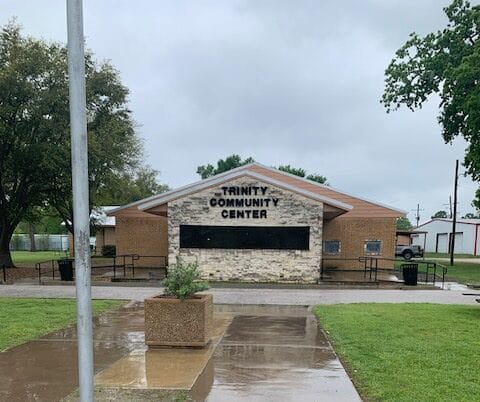
    Civic organizations ramp up their public outreach in October. Saturday, October 10, 2026, serves as a busy weekend for the city of Trinity. The Trinity Community Center will host the 8th Annual Lavender & Lace Silent Auction and Style Show, beginning at 10:30 AM. Charity auctions encourage direct community investment. Local retailers donate goods and services, gaining direct brand exposure to hundreds of potential customers. The funds raised support local scholarships, municipal beautification projects, and civic charities.

    On the exact same morning, the Pink Pajama Party Pageant takes place at 131 N Elm Street in Trinity, starting at 10:00 AM. Youth pageants and local talent shows bring out-of-town relatives and visitors into the city limits. This sudden influx of visitors fills local hotel rooms and increases demand for retail shopping. Connecting with state tourism boards helps regional hospitality managers market their fall promotions to these traveling families.

    Autumn activities on Lake Livingston begin to shift away from water sports toward camping and localized fishing tournaments. Marinas and state parks prepare for late-season visitors who prefer cooler temperatures. Families planning to explore the natural surroundings check local park schedules to secure camping permits and review updated trail maps. Keeping public parks accessible attracts campers who spend money at local bait shops and convenience stores across the Trinity Peninsula.

    Trinity County Community Center

    Professional Training And Agricultural Development

    Fall schedules extend beyond weekend entertainment to include professional development. On Friday, September 11, local agricultural workers and municipal staff will attend the 2026 Houston County 5 Hour CEU Conference and Training near Groveton, starting at 8:00 AM. Continuing education programs bring technical specialists and state regulators into the immediate market. Professionals traveling for these seminars require catering, fueling stations, and meeting supplies.

    Event DateLocationEvent FocusCommunity Impact
    September 11, 2026Groveton AreaCEU Conference & TrainingBrings professional development and networking to the region.
    September 25, 2026TrinityLadies Bible StudyBoosts evening restaurant and hospitality demand.
    September 26, 2026New 356 VFD, TrinityFamily Fun NightRaises funds for first responders and drives weekend traffic.
    October 10, 2026Trinity Community CenterLavender & Lace AuctionConnects local retailers with civic fundraising.
    October 10, 2026131 N Elm St, TrinityPink Pajama Party PageantIncreases local retail and weekend lodging demand.

    Keeping agricultural certifications current protects the local farming economy. Farm owners rely on these educational sessions to learn about new soil management techniques, water conservation methods, and livestock health protocols. Tracking these regional schedules keeps Trinity County business owners informed and prepared for the upcoming season.

  • Port Townsend’s Lawrence Street project is scheduled to begin construction on September 14, 2026, after the Wooden Boat Festival has concluded, with work focused on Lawrence Street between Harrison Street and Walker Street. The City of Port Townsend Public Works Department says the project is expected to take about 140 working days, or roughly seven months, with construction concluding in early summer 2027, according to the city’s construction notice. For residents, business owners, transit users, and drivers, the next civic step is practical: review posted detours, watch for public notices about transit changes, and plan for construction activity along this central corridor.

    What The Lawrence Street Project Changes

    Lawrence Street Project Scope

    The Lawrence Street project will reconstruct the street between Harrison and Walker, addressing subgrade and pavement deterioration identified by the city. The city’s stated scope includes bike facilities, sidewalk repairs, accessibility upgrades under the Americans with Disabilities Act, and closure of existing sidewalk gaps. Public Works has described the goal as creating a fully accessible route between Harrison Street and Walker Street.

    The work is limited to a specific section of Lawrence Street, but it affects a corridor used by drivers, pedestrians, cyclists, nearby residents, and people reaching local services. The Washington State Transportation Improvement Board lists the improvement length at about 0.33 miles and identifies the grant-supported work through its project dashboard. That short distance matters because it connects several blocks where existing pedestrian facilities are uneven from one side of the street to the other.

    Pedestrian And Bicycle Connections

    According to the city, existing pedestrian infrastructure is incomplete. A continuous sidewalk is already in place along the north side of Lawrence Street for six blocks from Harrison to Walker. On the south side, sidewalk exists from Harrison to Benton, but no sidewalk exists for the three blocks between Benton and Walker. Closing those gaps is one of the clearest day-to-day changes residents should expect from the project once construction is complete.

    Bike facilities are also included in the city’s project scope. The public notice does not provide a block-by-block operating plan for cyclists during construction, so residents should rely on posted signs, city notices, and work-zone direction once crews are in place. The planned improvements are civic infrastructure work, not a one-day event, and the effects will be felt in stages as crews move through street, sidewalk, and utility work.

    Construction Schedule And Daily Access

    September 14 Start Date

    Construction is scheduled to start on September 14, 2026. The city specifically timed the start after the conclusion of the Wooden Boat Festival, which helps avoid beginning construction during one of Port Townsend’s major public event periods. As of September 7, 2026, the work has not yet begun, so residents still have time to adjust travel patterns and watch for official construction messaging.

    The city estimates about 140 working days for construction, which places completion in early summer 2027. Working-day schedules can be affected by weather, utility conditions, materials, or field findings, but the research provided by the city supports that seven-month estimate. Residents who use Lawrence Street daily should expect conditions to change over the life of the project rather than remain fixed from the first week through completion.

    Detours, Driveways, And Transit Notices

    During construction, traffic will be managed with road detours, message boards, signs, and flaggers, according to the city. Driveway access is expected to be maintained, with coordination for any disruptions. That point is important for households and businesses along the work zone because it means the city has identified access management as part of the construction plan, though some short-term interruptions may still require direct coordination.

    Transit riders should also pay attention. The city has said bus or transit routes and stops may be affected, with advance coordination and public notice. The press release does not list specific route changes, stop closures, or dates for those transit adjustments, so riders should not assume a change until an official notice is posted. In the week before September 14, 2026, the most useful step is to check city updates and on-street message boards near Lawrence Street.

    • Construction area: Lawrence Street from Harrison Street to Walker Street.
    • Scheduled start: September 14, 2026.
    • Estimated duration: about 140 working days, or roughly seven months.
    • Traffic controls: detours, message boards, signs, and flaggers.
    • Access: driveway access maintained with coordination for disruptions.

    Funding, Utilities, And Public Accountability

    Public works crew area with utility markings along a city street

    Grant And Local Funding

    The project received approximately $2.9 million in grant funding from the Washington State Transportation Improvement Board in 2024. The city estimates the total project budget, from design through construction, at $4.3 million. Funding sources identified in the city’s notice include the Transportation Improvement Board, the city’s Transportation Benefit District, and utility funds.

    For Port Townsend residents, the funding mix matters because the work is not limited to pavement. Transportation dollars and utility funds are being combined for a corridor project that includes surface reconstruction and underground systems. That approach can reduce repeated disruptions on the same street when roadway and utility needs are addressed in the same construction window, though the city’s notice does not provide a separate cost breakdown for every category of work.

    Water, Sewer, Stormwater, And Street Work

    Utility upgrades are part of the planned construction. The city lists water, sewer, and stormwater systems in the scope. Stormwater conveyance pipes, catch basins, and rain garden planting areas are also planned. Those details indicate that the Lawrence Street project is both a transportation improvement and a public works utility project.

    The stormwater elements are especially visible because they affect how water moves through the corridor during rain events. The city’s notice identifies rain garden planting areas, but it does not provide planting species, maintenance schedules, or final design details in the research provided here. Residents with property access questions, delivery concerns, or mobility needs should contact the appropriate city project channels when notices are issued rather than relying on informal construction updates.

    Local business readers interested in how infrastructure work impacts main-street access in other regions can check out the related chamber network via the Richland Chamber’s website. For Port Townsend, the verified construction details remain the city notice and the state transportation project record.

    Lawrence Street Project Civic Checklist

    What Residents Can Do Before Work Starts

    With the Lawrence Street project scheduled to begin on September 14, 2026, residents have a short window to prepare. People who live, work, walk, bike, or drive near Lawrence Street should identify alternate routes before crews begin. Property owners along Harrison-to-Walker should watch for direct coordination about driveway access, especially if deliveries, mobility equipment, medical transportation, or business access must be planned around work activity.

    Transit riders should confirm any stop or route notices before leaving home once construction begins. The city has said transit impacts may occur, but the research does not identify the exact stops or timing of those changes. Pedestrians should also expect temporary changes because sidewalk repairs, sidewalk-gap work, ADA upgrades, and street reconstruction cannot all occur without work-zone controls.

    Questions To Track Through Early Summer 2027

    Several public questions will remain active as construction proceeds: how detours shift by phase, when utility work reaches specific blocks, how driveway coordination is handled, and when sidewalk gaps are closed. The city’s estimated completion period is early summer 2027, so residents should treat the work as a months-long civic project rather than a brief closure.

    The verified facts show a defined corridor, a September 14, 2026 start date, a roughly seven-month schedule, a $4.3 million total budget, and a public purpose tied to pavement, sidewalks, accessibility, bicycles, and utilities. The Lawrence Street project will likely be most disruptive while crews are active, but it is also the scheduled public works investment that will determine how this section of Lawrence Street functions for drivers, pedestrians, cyclists, and utility users after early summer 2027.

  • The Smoketown Block Party took place on Saturday, August 29, 2026, after Louisville Metro officials rescheduled the neighborhood celebration because of inclement weather. The event marked the completion of seven permanent affordable homes tied to the Smoketown Community Land Trust, with activities set for Hancock Street between Lampton and Jacobs Streets from 2:00 p.m. to 6:00 p.m., according to a Louisville Metro Government notice from Councilman Herndon city announcement.

    What The Smoketown Block Party Marked

    Smoketown Block Party Details On Hancock Street

    The public celebration centered on a ribbon-cutting for seven completed affordable homes in Smoketown. City officials described the event as free and family-friendly, with a roller-skating rink, bounce house, food trucks, “brain freeze” treats, resource tables, and local vendors included in the day’s schedule. The official notice placed the celebration on Hancock Street between Lampton and Jacobs Streets, making the block itself part of the public recognition of the housing work.

    The event had first been planned for August 1, 2026, before the weather-related change moved it to August 29, 2026. A District 4 e-news notice described the original plan as a block party and ribbon-cutting with home tours and on-site pre-qualification screenings for potential buyers. That same notice said SmoketownCLT was incorporated as a 501(c)(3) in March 2024 and described the seven-home completion as the organization’s first major milestone District 4 notice.

    What Was Documented By The City

    For residents who could not attend, the official notices provide a clear record of what was scheduled and why the event mattered to the neighborhood. The city information identifies the project as seven permanent affordable homes, rather than a temporary housing effort. It also places the work within Smoketown, a Louisville neighborhood where public attention to affordable homeownership has been tied to a community land trust model through SmoketownCLT.

    The city notices reviewed for this report did not provide attendance totals, buyer names, sale prices, or a post-event count of completed home tours. Because those details were not included in the official materials available here, this report does not make claims about turnout, final buyer selection, or the full financing structure behind the homes.

    Affordable Housing And The Community Land Trust Model

    Why Permanent Affordability Was The Core Point

    The civic significance of the celebration was not limited to a one-day neighborhood event. The key public purpose identified by Louisville Metro was the completion of seven permanent affordable homes. In housing terms, that wording matters because it signals that the homes are meant to remain affordable beyond the first household that buys them.

    The materials provided in official city notices point to SmoketownCLT as the organization connected with the homeownership effort. They do not list every legal tool used in the project, so residents seeking a full explanation of resale rules, income qualifications, or purchase steps should rely on direct information from the city or SmoketownCLT rather than secondhand descriptions. Still, the public record does show that the August 29 event was meant to introduce residents to affordable homeownership resources, not simply celebrate new construction.

    That distinction affects civic engagement. A ribbon-cutting can be ceremonial, but resource tables and pre-qualification information can help residents understand who the homes are intended to serve and what steps may be required before a buyer is approved. For Smoketown households interested in staying in the neighborhood, access to clear information is part of the value of holding such an event in public view.

    Questions Residents May Still Track

    Several public questions remain reasonable after the celebration because they were not answered in the official notices reviewed here. Residents may want to know how buyer eligibility is determined, how long affordability protections remain in place, how resale limits are explained to buyers, and whether future phases are planned. Those are policy questions as much as real estate questions, because the answers shape who benefits from public or nonprofit housing efforts over time.

    • Which households qualify for the affordable homeownership program?
    • What public updates will be available after the ribbon-cutting?
    • How will long-term affordability be tracked and reported?
    • Where can residents find official application or pre-qualification instructions?

    For the city, the Smoketown Block Party served as a public-facing point in a housing process that residents can continue to follow through council updates, neighborhood meetings, and official notices. For community members, the next civic step is to look for documented information from Louisville Metro and SmoketownCLT before making decisions about applying or advising others to apply.

    Neighborhood Event Planning And Public Access

    Why The Rescheduled Date Matters

    The shift from August 1 to August 29, 2026, is a small but practical detail for public accountability. When a city-backed or council-promoted event is rescheduled, residents need accurate timing, location, and activity information. Louisville Metro’s rescheduled notice supplied the key public details: the date, time, block location, reason for rescheduling, and a list of planned activities.

    That type of information is especially important for families, older residents, people arranging transportation, vendors, and groups planning to share housing or community resources. A neighborhood block party tied to housing policy is not only entertainment; it is also a public information channel. If residents miss the notice, they may miss a chance to ask questions in person about affordable ownership or learn which offices and organizations are involved.

    How The Event Connected Services And Celebration

    The activity list showed an effort to draw a broad neighborhood audience. Food trucks, treats, skating, and a bounce house made the event accessible to families, while resource tables and homeownership information gave it a civic purpose. The official notices did not say which vendors or resource groups appeared at the final rescheduled event, so this report does not identify participating organizations beyond the entities named in the city materials.

    That caution matters. Local reporting on civic events should separate what was announced by public offices from what was later observed or confirmed. As of September 6, 2026, the official materials reviewed here establish that the Smoketown Block Party was scheduled and promoted as a celebration of seven affordable homes, but they do not provide a full after-action report.

    Local Coverage Of Louisville Housing Updates

    Reporter notebook beside printed public notices about a neighborhood event

    Why Official Notices Remain Important

    Affordable housing announcements can move quickly from celebration to policy debate. In this case, the strongest verified facts come from Louisville Metro and District 4 public communications. Those notices identify the number of homes, the event date, the rescheduling reason, the block location, and the public purpose. Readers following similar civic reporting across the region can also find community-focused public affairs coverage through a related site in the same network.

    For residents, the most useful follow-up is to keep the focus on verifiable details: whether more homes are announced, whether buyer information is released through official channels, and whether future council or neighborhood updates provide new timelines. Public investment in affordable homeownership works best when residents can see the process, ask questions, and compare public promises with documented progress.

    Smoketown Block Party And Homeownership

    The Smoketown Block Party marked a concrete step for affordable homeownership in Louisville’s Smoketown neighborhood: seven permanent affordable homes completed and publicly recognized on Hancock Street. The event also showed how a housing announcement can double as a civic gathering, combining celebration with resource access and public information.

    As of September 6, 2026, the official notices available for this report support a clear but limited account. The celebration happened after a weather-related postponement, it honored seven homes connected with SmoketownCLT, and it gave residents a public setting to learn more about affordable homeownership. Any deeper claims about buyer outcomes, attendance, or future phases should wait for fresh official updates from Louisville Metro or the organizations directly involved.

  • Mesa Zoning Amendments are headed through the city’s public review process in September, giving residents, property owners, business operators, event organizers, and neighborhood advocates defined ways to weigh in before the Planning & Zoning Board. The City of Mesa says the proposed zoning text amendments cover several areas, including Planned Area Development Overlay Districts and Temporary Use Permits and Special Event regulations, according to the city’s Mesa Long Range Planning page. A virtual public meeting on the Temporary Use Permit and Special Event amendments was held on August 18, 2026, from 6:00 p.m. to 7:00 p.m., so the remaining public hearing dates now carry added civic weight for anyone who wants comments entered before board action.

    Mesa Zoning Amendments Set September Hearings

    What Mesa Zoning Amendments Cover

    The proposed amendments are not limited to one chapter or one permit type. Mesa’s published planning information identifies changes tied to Planned Area Development, often called PAD, Overlay Districts. The city describes those amendments as changes that would strengthen the stated purpose and objectives for PADs, lay out mechanisms for minor and major amendments, allow certain land-use changes without requiring a full development agreement, and reinforce PAD approval criteria.

    For residents, that means the public review is not only about a technical edit to zoning language. PAD rules can shape how larger or coordinated development proposals are evaluated. The city’s materials do not decide public opinion for or against those edits, but they do show that the amendments would affect the standards and procedures used when PAD-related requests come forward.

    The Temporary Use Permit and Special Event text amendments would apply to Titles 5, 6, and 11 of the Mesa City Code. The city says those changes would reorganize event regulations into a licensing and operational framework, clarify the distinction between Temporary Uses and Special Events, set limits on duration and frequency, update operational and development standards, and standardize definitions.

    Dates Already Held And Still Scheduled

    The city already held one public input session by video on August 18, 2026, for the Temporary Use Permit and Special Event amendments. As of September 5, 2026, two Planning & Zoning Board hearing dates remain central to the current public calendar. A hearing on Historic Preservation-related amendments is scheduled for September 9, 2026, at 4:00 p.m. in the Mesa City Hall Council Chambers at 20 E. Main St.; the city’s Legistar record lists the Planning & Zoning Board public hearing for that date and time in the September 9 meeting notice. A separate Planning & Zoning Board public hearing on the Temporary Use Permit and Special Event amendments is scheduled for September 23, 2026, at 4:00 p.m., also at Mesa City Hall Council Chambers.

    How Residents Can Take Part

    Speaking At City Hall

    Mesa’s Planning & Zoning Board public participation instructions allow residents to speak in person at meetings. The city’s process requires speakers to complete a speaker comment card when they arrive, with an option to download a comment form ahead of time. Public comments are typically limited to three minutes per speaker. Groups are encouraged by the city to name one spokesperson, a step that can help board members hear a clear position when neighbors, business groups, or organizations share the same concern.

    Residents planning to comment should keep remarks tied to the agenda item before the board. For the September 9 hearing, that means Historic Preservation-related amendments, including modifications involving Historic Preservation Overlays, Historic Signs, and related procedures. For the September 23 hearing, comments should address the Temporary Use Permit and Special Event amendments. For residents tracking Mesa Zoning Amendments, matching comments to the right hearing date is one of the simplest ways to make testimony useful to the board record.

    Sending Comments Before The Meeting

    Mesa also provides an online comment card system for agenda items. The city’s posted instructions say online comments generally must be submitted by 2:00 p.m. on the day of the meeting. Comments sent through that system are shared with board members before the meeting, but they are not read aloud during the meeting.

    • Attend in person at Mesa City Hall Council Chambers, 20 E. Main St., for the relevant hearing.
    • Fill out a speaker comment card upon arrival if you want to speak.
    • Use the online comment card system before the city’s general 2:00 p.m. same-day deadline.
    • Coordinate a single spokesperson if several people plan to make the same point.

    The Planning & Zoning Board meets on the second and fourth Wednesday of each month, according to Mesa’s board information. The city also lists viewing options through Mesa 11, YouTube, and Facebook. Viewing a meeting can help residents follow board questions and staff responses, even if they choose to submit written comments rather than speak at the lectern.

    Why The PAD And Event Changes Matter

    Planning documents spread on a table during a local review meeting

    PAD Overlay District Items

    The PAD Overlay District amendments are framed by the city as changes to purpose, objectives, amendment procedures, land-use flexibility, and approval criteria. Those are process details, but process details matter in local planning. A minor amendment path can be different from a major amendment path. A request that does not require a full development agreement can move through a different review channel than one that does. Mesa’s published description does not state how many properties or applications would be affected, so residents should avoid assuming a reach that the city has not published in the material provided.

    What is clear from the city’s description is that the PAD changes would shape how future PAD requests are reviewed. People who live near PAD areas, own property under a PAD framework, or follow development proposals in their neighborhood may want to compare the draft language with current procedures before commenting. The civic question is not only whether a single project is liked or disliked, but whether the rule structure is clear enough for applicants, neighbors, and board members.

    Temporary Uses And Special Events

    The Temporary Use Permit and Special Event amendments may draw interest from groups that organize events, businesses that host temporary activities, and residents who want predictable standards for duration, frequency, operations, and site requirements. Mesa’s research materials say the proposal would clarify the difference between Temporary Uses and Special Events. That distinction can help the public understand which rules apply when a use is short-term, when an event needs a license, and when development or operational standards come into play.

    The city has identified Titles 5, 6, and 11 of the Mesa City Code as part of the amendment package. Because those titles touch different parts of city regulation, residents should read the agenda item closely before filing comments. Civic readers who follow public meeting coverage across communities can also find related regional insights at the Houston local public forum, though Mesa residents should rely on City of Mesa notices for deadlines, hearing dates, and official records in this matter.

    Public Participation In Mesa Zoning Amendments

    A Practical Civic Checkpoint

    The next civic steps for Mesa Zoning Amendments are specific: the Historic Preservation-related hearing is scheduled for September 9, 2026, and the Temporary Use Permit and Special Event hearing is scheduled for September 23, 2026. Both are listed for 4:00 p.m. at Mesa City Hall Council Chambers. Residents who cannot attend in person still have the city’s online comment option, subject to the general same-day 2:00 p.m. deadline. Those who do attend should prepare concise comments, bring the agenda item into focus, and follow the speaker card process at the meeting location.

    Public hearings are one of the points where local planning language meets daily community life. The board record can include support, opposition, technical questions, and requests for clarification. Mesa has already held the August 18 virtual meeting on the event-related proposal, so residents who want their views considered during the board stage should use the September hearing schedule and comment procedures now posted by the city.

  • Plano City Council’s August 10, 2026, vote put the Plano Special Election on the November 3, 2026, ballot for voters to decide whether venue-related taxes should help finance a proposed sports and community arena at The Shops at Willow Bend, according to NBC 5 Dallas-Fort Worth. The same proposal is tied to a larger redevelopment plan for the Willow Bend area, making the vote a local civic event with direct interest for residents, visitors, businesses, and nearby neighborhoods.

    Plano Special Election Sets November Vote

    What The Plano Special Election Would Authorize

    The Plano Special Election is centered on Proposition A, which asks whether the city may use specified venue-related taxes for the proposed arena project. The research available for this report identifies the proposed venue as part of a sports and entertainment district at The Shops at Willow Bend, with the arena planned as the future home of the Dallas Stars. The broader venture is described as including retail, restaurants, residential space, public areas, and infrastructure improvements.

    That framing matters because the ballot question is not only about a sports facility. It is also about a financing tool for a proposed redevelopment area in a well-known Plano commercial center. For residents who follow city budgets, retail redevelopment, and traffic planning, the vote raises practical questions about how special-purpose revenue sources would be collected, where they would be applied, and how public oversight would be handled after the election.

    Where The Project Would Sit

    The proposed project is tied to The Shops at Willow Bend area in Plano. The location places the arena discussion near existing commercial corridors, surrounding neighborhoods, and roads that already serve shoppers, workers, and residents. Because the research notes identify traffic as a major public concern from July 2026 open-house meetings, the location is central to the civic debate. The city’s next public-facing materials and election notices will likely be closely read by residents who want to understand event-day access, parking, and neighborhood effects.

    What Proposition A Would Fund

    Arena District Components

    Plano City Council approved development plans related to The Shops at Willow Bend and the Dallas Stars arena, and the project is described as a sports and entertainment district with an arena, retail, restaurants, residential space, public areas, and infrastructure improvements, according to Centennial. That report also states that the special election resolution must receive State Comptroller approval under the Texas Local Government Code before moving forward.

    The project’s estimated total cost is about $1 billion, based on the research provided. City officials have stated that the proposed venue-tax revenues would not affect the current property tax rate for Plano residents. That distinction is likely to be a central part of public discussion through November 3, 2026, because the measure would rely on listed activity-based taxes rather than a direct increase to the city property tax rate.

    Proposed Revenue Sources

    The financing plan described in the research includes several proposed taxes connected to travel, events, and venue use. Voters are being asked to decide whether Plano should authorize these taxes for the project. The listed sources are:

    • Short-term motor vehicle rental tax, with a maximum rate of 5%.
    • Short-term hotel occupancy tax, with a maximum rate of 2%.
    • Event parking tax, up to $3 per vehicle.
    • Event admissions tax, up to 10% of the ticket price.
    • Venue facility use tax, described as about $5,000 per game from each member of a major league sports team.

    If approved, the highest possible hotel occupancy tax rate in Plano would reach 15% of the room price when existing and proposed sources are combined, according to the research. That means the vote has clear relevance for hotels, event visitors, vehicle rental users, and people who buy event tickets, even if city officials say the plan would not change the current property tax rate.

    Tax Plan And Public Questions

    Residents seated at a public meeting about local development

    Resident Concerns Raised In July

    Public concern about traffic was reported during open-house meetings in July 2026, which drew about 600 people. Other concerns identified in the research included quality of life, noise, and the effect on surrounding neighborhoods. Those are common civic issues when a large event venue is proposed near established residential and commercial areas, but each point depends on local plans, road capacity, parking design, event scheduling, and enforcement policies.

    For Plano residents, the Plano Special Election offers a defined decision point, but it does not answer every operational question by itself. A ballot measure can authorize a funding method, while later public steps may address design, construction timing, traffic management, and agreements tied to the site. Residents evaluating the measure may want to separate the financing question from the broader project management questions, while still recognizing that both are connected.

    Who May Feel The Effects

    Several groups have a direct stake in the November 3, 2026, vote. Plano voters will decide whether the city receives authority to collect the listed venue-related taxes. Nearby residents are likely to focus on traffic, noise, and quality of life. Business owners in and around Willow Bend may weigh possible customer activity against construction and access concerns. Hotel operators, rental vehicle customers, eventgoers, and arena users would be tied most directly to the proposed revenue sources.

    The proposal also matters to residents outside Plano who track how North Texas cities use special elections for redevelopment and sports-related facilities. Readers interested in city developments across the region can visit County Watchers, a related site in the same network, for comprehensive civic articles. In Plano, the decision belongs to voters through the scheduled special election process.

    Plano Special Election And Civic Next Steps

    What Voters Can Review Before November 3

    Before the Plano Special Election, the most useful public documents will be the final ballot language, city notices, any State Comptroller action tied to the resolution, and city materials explaining how the venue taxes would be applied if approved. The research provided confirms that State Comptroller approval is required before the resolution can move forward under the cited state law process. That step is a key procedural checkpoint because it affects whether the election item proceeds as planned.

    Residents can also review the separate pieces of the proposal: the arena concept, the Willow Bend redevelopment plan, the proposed taxes, and the city’s statement that the current property tax rate would not be affected. Keeping those issues distinct may help voters judge the measure based on what Proposition A would authorize, rather than on assumptions about later project details that have not been confirmed in the research provided.

    The scheduled November 3, 2026, vote gives Plano residents a direct role in deciding whether venue-related taxes should support the proposed Willow Bend arena and district. With traffic, neighborhood effects, public revenue, and redevelopment all part of the discussion, the civic value of the election will depend on clear public information and careful review of the official materials before ballots are cast.