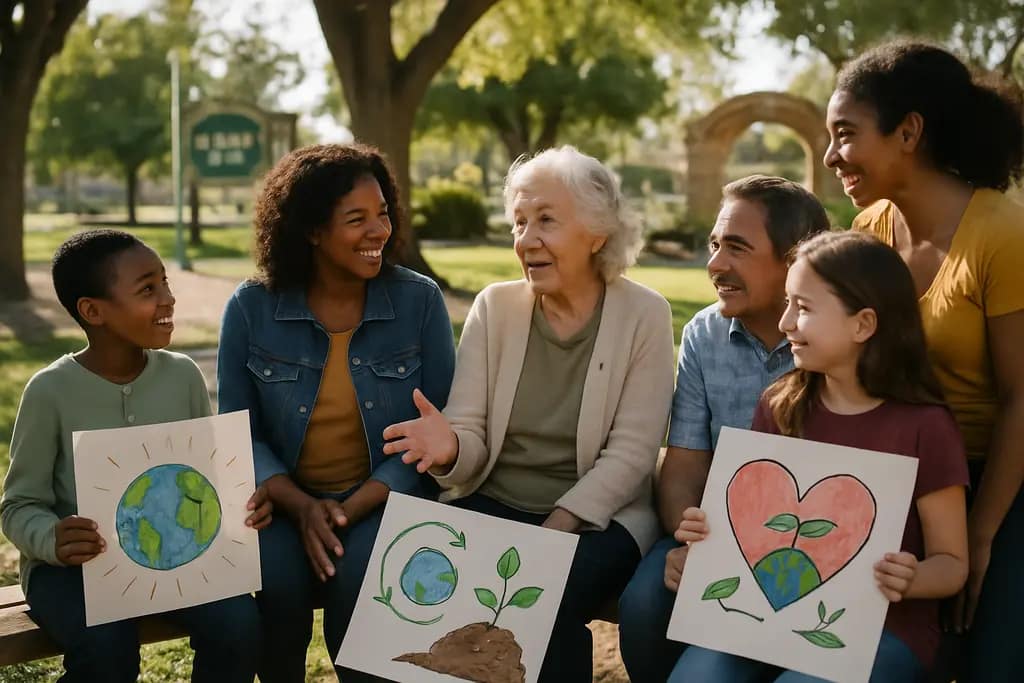
The Lynwood Climate Grant proposal moved from council discussion to a post-deadline waiting period after the September 30, 2026, application cutoff for California’s Transformative Climate Communities Round 6 program. On September 15, 2026, the Lynwood City Council agenda included a resolution to apply for up to $5 million for the proposed “Lean on Lynwood Resilience Network.” The city has not been shown in the provided records as having received an award, so the clearest public status as of October 3, 2026, is that Lynwood explored the grant opportunity and the state application deadline has passed.
Why The Lynwood Climate Grant Matters After The Deadline
State Funding Was Competitive And Time-Limited
The Transformative Climate Communities program is administered by the California Strategic Growth Council. For Round 6, the state opened several grant tracks, including Planning Grants of up to $300,000, Project Development Grants of up to $5 million, and Implementation Grants of up to $27.5 million. The state also reported $153.4 million available across TCC Round 6 and Community Resilience Centers Round 2, with about $98.4 million set aside for TCC grants, according to the Strategic Growth Council notice.
That matters locally because a Project Development Grant is not the same as a construction award. It can help a city prepare projects, refine designs, build partnerships, complete community engagement, and position work for future implementation funding. For Lynwood neighborhoods, that distinction is central: the $5 million figure represents an application ceiling, not money already in hand.
Lynwood Climate Grant Status And Timing
The Lynwood Climate Grant item appeared on the September 15 council agenda less than three weeks before the state deadline. The research provided for this report states that the Round 6 application deadline was September 30, 2026, at 11:59 p.m. Pacific Time. Because today is October 3, 2026, residents should treat the local issue as a submitted-or-not-submitted status question, rather than an upcoming agenda decision. The available research does not confirm whether the city filed the final application before the deadline.
The same research notes that state decisions were expected in Winter 2026 or Spring 2027. Until the Strategic Growth Council posts awards or the city publishes an update, residents should avoid assuming that the city secured the funding. The practical civic step now is document review: residents can look for the adopted September 15 minutes, staff report attachments, and any city manager updates that confirm what was authorized and what was sent to the state.
What The Council Item Put On The Table
A Resilience Network For Underserved Neighborhoods
The September 15 agenda item described in the research centered on the “Lean on Lynwood Resilience Network,” a local proposal focused on climate resilience in underserved neighborhoods. The research identifies possible project areas such as urban greening, tree planting, community energy work, and related infrastructure planning. Those ideas fit the TCC program’s statewide purpose of funding disadvantaged California communities for projects that reduce greenhouse gas emissions, improve public health, support equity, and build local resilience.
For residents, the most important detail is not the program name. It is whether specific blocks, school routes, parks, bus stops, senior housing areas, or commercial corridors would be named in the final work plan. A grant application can sound broad at the council dais, but neighborhood value depends on maps, timelines, maintenance duties, and project partners. If Lynwood receives an award, residents should expect the city to identify which areas benefit first and how success will be measured.
Tree Planning Was Already On The Same Civic Track
The research also states that the September 15 agenda included a contract with the Los Angeles Conservation Corps for an urban forest management plan and tree planting, with a contract cap of $832,212.50. That item is separate from the state TCC application, but it points in the same direction: the city was considering how tree canopy, shade, and street-level greening could become part of its climate response.
The Lynwood Climate Grant, if awarded, could help connect those efforts to a broader neighborhood plan. Tree planting without long-term watering, species selection, sidewalk coordination, and maintenance funding can fall short. A project development grant could give the city room to align urban forestry work with heat relief, air quality goals, walking routes, and public facility planning.
Climate Work Already Touching Lynwood Neighborhoods
School Transportation Shows A Prior Emissions Step
Lynwood has already seen climate-related public investment outside the city hall grant process. The Lynwood Unified School District replaced three diesel buses with electric buses in fall 2021, a project the California Energy Commission reported would reduce greenhouse gas emissions by about 53.1 short tons of carbon dioxide each year, along with other pollutant reductions, according to the California Energy Commission project publication.
That school bus project is relevant because transportation emissions, school-day exposure, and neighborhood air quality are not abstract issues in dense cities. Families experience them at pickup zones, along arterials, and near school campuses. The bus replacement record shows that local agencies serving Lynwood have already used state climate funding tools for practical changes. The TCC proposal would sit within that wider pattern of public-sector climate investment.
Land Cleanup Remains Part Of The Local Picture
The research provided also notes that in June 2024 Lynwood received a $6 million Equitable Community Revitalization Grant from the Department of Toxic Substances Control for the Alameda Triangle, a 5-acre contaminated industrial parcel near Imperial Highway and Fernwood Avenue. The research identifies petroleum hydrocarbons and heavy metals as contaminants and describes planned reuse that includes affordable housing and retail space.
That cleanup project is not the same funding source as TCC Round 6, but residents may see both efforts as connected pieces of neighborhood repair. Greening, cleanup, housing reuse, and safer public spaces tend to affect the same residents who live near industrial parcels, heavy traffic, and heat-retaining pavement. The city’s challenge is to show how separate grants will be coordinated, not simply announced one at a time.
Civic Steps For Residents And City Hall
Questions Residents Can Ask Now
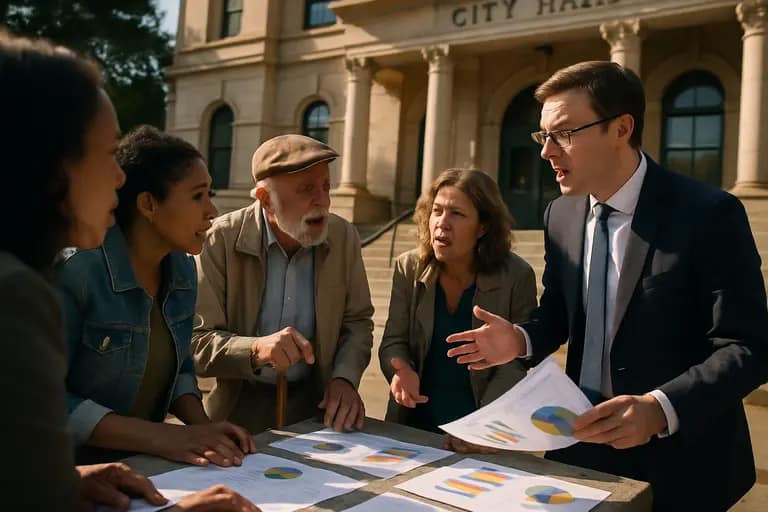
Because the September 30 deadline has passed, residents should not be told to attend a past meeting or submit comments for an expired state deadline. Instead, the next useful step is accountability after application season. Residents can ask the City of Lynwood for the final resolution, the staff report, the application scope, the project map if one exists, and any partner commitments tied to the Lean on Lynwood proposal. Regional readers tracking similar grant issues can also follow civic coverage through County Watchers for updates on area initiatives.
- Did the council approve the September 15 resolution, and what vote was recorded?
- Did city staff submit the TCC Round 6 application by September 30, 2026?
- Which neighborhoods, corridors, schools, parks, or public facilities were included in the project scope?
- How would the city maintain new trees, green infrastructure, or energy improvements after grant-funded planning?
- When will residents see the next public update before state award decisions in Winter 2026 or Spring 2027?
Those questions are not procedural footnotes. They determine whether a climate grant process produces visible neighborhood gains or remains a staff-level funding exercise. A clear answer from city hall would help residents understand whether Lynwood is waiting on state review, revising its plans, or pursuing other funding tracks.
Lynwood Climate Grant And Neighborhood Accountability
The Lynwood Climate Grant should be judged by what it can document for residents: where shade would increase, which public spaces would be improved, how pollution burdens would be addressed, and how community feedback would shape final designs. The grant opportunity came with a large dollar figure, but the award was not guaranteed, and the deadline has already passed.
For Lynwood, the strongest next public update would be a plain-language report from the city stating whether the application was submitted, which projects were included, what community partners were named, and when the council expects to revisit the issue. That would give residents a fair way to track the Lean on Lynwood proposal without guessing. It would also help neighborhoods connect the potential TCC work with tree planting, school transportation improvements, and the Alameda Triangle cleanup already identified in public grant records.
Until the state announces awards or the city publishes its next update, the issue remains a local civic watch item. The opportunity was real, the deadline has passed, and the community impact depends on whether Lynwood can turn planning dollars into specific, maintained improvements for the neighborhoods most affected by heat, pollution, and underinvestment.
Leave a Reply