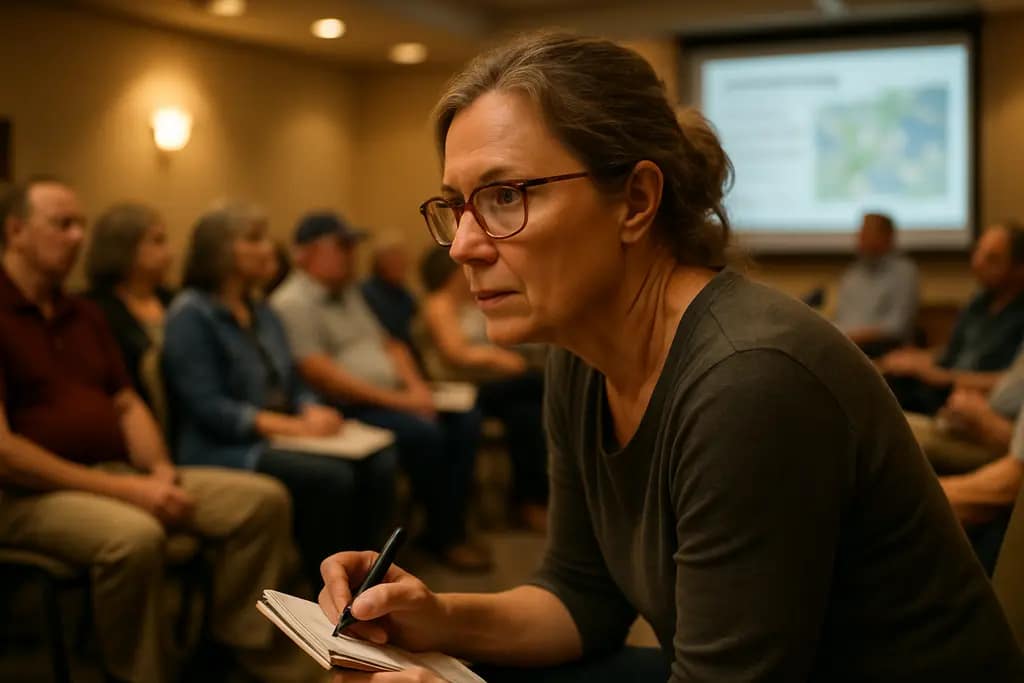
A Trinity infrastructure meeting has not been confirmed under that exact title in the official materials reviewed for this report, but residents still have clear reasons to follow the City of Trinity’s public meeting schedule. The city has documented sewer funding, engineering discussions, and council action tied to infrastructure improvements that affect service planning, streets, utilities, and future public investment. As of September 21, 2026, the most responsible civic step is for residents to verify the next posted agenda with the City of Trinity before making plans, while using the known project records to prepare specific questions.
What Is Confirmed About The Trinity Infrastructure Meeting
Trinity Infrastructure Meeting Status
The phrase Trinity infrastructure meeting appears to match a real community need more than a confirmed event notice in the research available for this report. No verified announcement was located for a town hall formally titled “Town Hall Meeting on Infrastructure Improvements” in Trinity, North Carolina. That distinction matters because residents should not rely on informal references when planning to attend a public meeting. For city business, the agenda, location, start time, and participation rules should come from an official notice or a posted council agenda.
What is confirmed is that infrastructure has been part of recent city business. A special-called Trinity City Council meeting was held on June 22, 2026, at 6:30 p.m. in the City Council Chambers, and the listed matters included water ordinance amendments and engineering contracts, according to the June 22 meeting record. Because that meeting already took place, residents should treat it as part of the record rather than as an event to attend.
For residents trying to understand whether another infrastructure-focused public session will be scheduled, the key is to watch for official meeting postings from the City of Trinity. A public notice should identify whether the session is a regular council meeting, a special-called meeting, a public hearing, or a separate town hall format. Each format can shape how residents speak, submit comments, or hear staff presentations.
Sewer Funding And The 2026 Schedule
State Funding And Sewer Timing
The strongest documented infrastructure item in the research is the city’s sewer connection planning. Trinity was awarded $4.5 million in state funds in November 2023 for infrastructure projects, and the funds were later identified as gap funding for a sewer connection project with the City of High Point. The city’s fiscal schedule listed construction completion for that interlocal sewer project by December 2026, according to the adopted budget schedule.
That timing gives the public a useful framework for any Trinity infrastructure meeting that may be announced. Residents can ask whether the December 2026 completion target remains in place, whether project costs have changed, and how the city plans to communicate construction impacts. Those are local service questions, not partisan questions, and they fit directly within the responsibilities of city government.
The sewer project also connects to broader civic planning. Sewer capacity can influence where public investment is needed, how interlocal agreements are managed, and how residents receive updates on construction schedules. The available research does not support claims about rate changes, specific neighborhood impacts, or final construction disruptions, so those questions should be directed to city staff during a properly noticed public meeting.
Residents who have followed other local infrastructure discussions may recognize the same need for official sourcing and public follow-up. Recent regional coverage of infrastructure and education issues has shown how city and school decisions often move through posted meetings before residents see work on the ground.
Questions Residents Can Bring To City Officials
Public Questions For Infrastructure Planning
If a Trinity infrastructure meeting is posted, residents can make the most of the session by bringing direct, answerable questions. Public meetings work best when comments are tied to agenda items, budgets, engineering contracts, project schedules, or service outcomes. Since the verified record includes sewer funding, engineering matters, and water ordinance discussion, those are the safest starting points for civic questions.
- What is the present status of the sewer connection project with the City of High Point?
- Is the December 2026 construction completion schedule still the city’s working target?
- Will residents receive written updates before construction affects roads, driveways, or utility access?
- How will engineering contracts be reported to the public after council action?
- What city department or office should residents contact with project-specific questions?
- Will future infrastructure items be handled through regular council meetings, special-called meetings, or a separate town hall?
Those questions also help residents separate confirmed facts from assumptions. The research reviewed for this article does not verify a stand-alone infrastructure town hall with a date, speaker list, or agenda. It does verify that infrastructure issues have been part of Trinity’s public business. Residents should use that record to request clear timelines, plain-language project updates, and accessible meeting materials.
Community organizations, churches, chambers, and neighborhood groups often help residents understand how public decisions affect daily life. Readers who follow civic-minded community institutions across our network may also find related local engagement resources at Saint Joseph Detroit, which is part of our broader community network.
Why Public Attendance Matters For Infrastructure Work

Infrastructure Decisions Affect Daily Routines
Infrastructure meetings can sound technical, but the outcomes are practical. Sewer connections, water ordinance language, engineering contracts, and street work affect how residents travel, build, repair property, and plan household budgets. Even when council action is routine, public attendance helps residents hear the same explanations at the same time, reducing confusion that can spread when project details are passed along secondhand.
A Trinity infrastructure meeting, if officially scheduled, would give residents a place to ask how city leaders are setting priorities. Public comment also helps elected officials hear whether residents are concerned about construction timing, communication, access for older residents, small business disruption, or coordination with neighboring cities. The verified materials show that Trinity’s infrastructure planning is not limited to one item, so residents should expect the discussion to include both immediate project management and longer-term service planning.
Attendance does not require residents to speak. Listening can be just as valuable, especially for people trying to understand how agenda items move from staff recommendation to council vote. Residents who do plan to speak should keep remarks specific, respectful, and connected to posted items. That approach gives city officials a clearer record and helps neighbors understand what action is being requested.
Trinity Infrastructure Meeting Next Steps
How To Track The Next Agenda
Until the city posts a verified notice, residents should treat any reference to a Trinity infrastructure meeting as unconfirmed. The next practical step is to check the City of Trinity’s official meeting postings, review the agenda before attending, and confirm whether public comment will be taken. If an agenda includes sewer, water, paving, engineering, or capital planning items, residents can use the questions above to prepare.
Residents should also keep track of dates already in the record. The June 22, 2026, special-called meeting has passed. The sewer project schedule cited in city budget materials pointed to December 2026 for construction completion. Those dates provide useful reference points for asking what has been completed, what remains under review, and when the public will receive the next formal update.
The most useful civic participation will come from residents who arrive with the verified record in hand and ask for clear, local answers. Trinity’s infrastructure decisions affect roads, utilities, public facilities, and future city capacity. Whether the next discussion takes place at a regular council meeting, a special-called session, or a separately announced town hall, residents deserve meeting information that is posted, specific, and easy to follow.
Leave a Reply