
The Sewer Capacity Moratorium in Anne Arundel County’s Baltimore City Sewer Service Area was lifted on June 3, 2026, changing the status of a small group of development applications while leaving longer-term sewer planning on the county’s civic agenda. County Executive Steuart Pittman said three projects that were already in the review pipeline and ready for Department of Public Works allocations were authorized to move forward, according to the county’s June 3 announcement. The county announcement did not name those three projects, list their locations, or describe their size, so residents should treat the change as a procedural opening rather than a full release of all pending development.
What The Sewer Capacity Moratorium Lift Changed
Three Pipeline Projects Were Cleared
The most direct change was narrow but significant for applicants already near the front of the county review line. Anne Arundel County said three projects that were ready to receive sewer allocations from the Department of Public Works could proceed after the June 3 decision. That means the county had enough identified capacity, at least for those allocations, to restart a limited portion of development review in the affected service area.
The Sewer Capacity Moratorium began on March 2, 2026, after a technical change in how the county measured available sewer capacity. The shift moved from average daily flow to stricter peak flow projections, and local reporting cited county officials saying some areas exceeded capacity during wet weather under regional agreements, as reported by CBS Baltimore. Projects that had already secured sewage hookup approvals were not described as halted in the same way, while projects without formal allocations faced the constraint.
Sewer Capacity Moratorium Timeline
The timeline matters for residents watching neighborhood change, school capacity, road use, and public works spending. The county imposed the restriction on March 2, then lifted it on June 3 after identifying near-term capacity options and using updated flow information. That three-month span affected how applicants, planners, and public works staff handled projects in the Baltimore City Sewer Service Area.
Because the county did not release project names in the lifting announcement, the next civic step is documentation. Residents who want to track specific developments should watch county planning records, public works allocation decisions, and any future meeting materials tied to projects in the affected sewer service area. A project being allowed to move ahead in sewer review does not answer separate questions about traffic, stormwater, zoning, school impacts, or site design.
Why Capacity Became Available
BWI Capacity And Peak Flow Data
Anne Arundel County cited two near-term reasons for lifting the restriction. First, the county said it secured a temporary borrowing of unused wastewater capacity from BWI Thurgood Marshall Airport through the Maryland Aviation Administration. Second, the county said actual peak flow data came in lower than the prior modeled estimates that helped trigger the pause.
Those details are technical, but the public effect is practical. Sewer capacity is not just a background utility issue; it determines whether new homes, businesses, and institutional projects can connect to the public system. When projected peak flows show stress in a service area, county officials must weigh development review against the legal and physical limits of the wastewater network.
Budgeted Diversion Work
The county also pointed to a longer capital strategy. In the fiscal year 2027 budget, Anne Arundel County committed nearly $60 million to divert wastewater flow away from the Patapsco Wastewater Treatment Plant and toward county-owned facilities. The county said design and construction for that diversion strategy would take four to five years, with an evaluation phase scheduled to finish in November 2026.
That schedule means the June 3 action did not remove the need for continued oversight. The budget commitment, evaluation work, and future construction timeline will shape how much capacity is available in later review cycles. For civic groups and neighborhood associations, the issue is likely to return through budget hearings, capital project updates, and public works briefings.
What Applicants And Residents Should Watch
Allocations Are Not Blanket Approvals
A sewer allocation is one part of a larger development process. The county’s June 3 action cleared three ready projects for allocations, but it did not say that every pending or future proposal in the Baltimore City Sewer Service Area could begin construction. Projects further back in the pipeline still need the proper county approvals, and sewer capacity remains tied to both near-term management and long-range infrastructure work.
Residents should watch for county records that show when an allocation is granted, whether a project changes scope, and whether other public hearings are required. For commercial projects, tenant fit-outs that do not need added sewer capacity were treated differently from projects requiring new capacity. For residential properties with failing septic systems, the county recognized connection to public sewer as a separate concern in its moratorium materials.
Questions For Public Meetings
Community members can keep the discussion grounded by asking specific, document-based questions. Useful questions include:
- Has this project received a Department of Public Works sewer allocation?
- Is the project inside the Baltimore City Sewer Service Area affected by the March 2 pause?
- Does the application require added sewer capacity, or is it a tenant fit-out with no added demand?
- How does the county’s diversion plan affect the timing of later approvals?
- Will updated peak flow data be posted or summarized for the public?
Those questions keep the focus on local services rather than speculation about unnamed projects. For broader regional civic reporting and insights on public infrastructure, readers can explore ITPR, a related site within our network.
Capacity Work After The Sewer Capacity Moratorium
Temporary Steps And Long-Term Needs
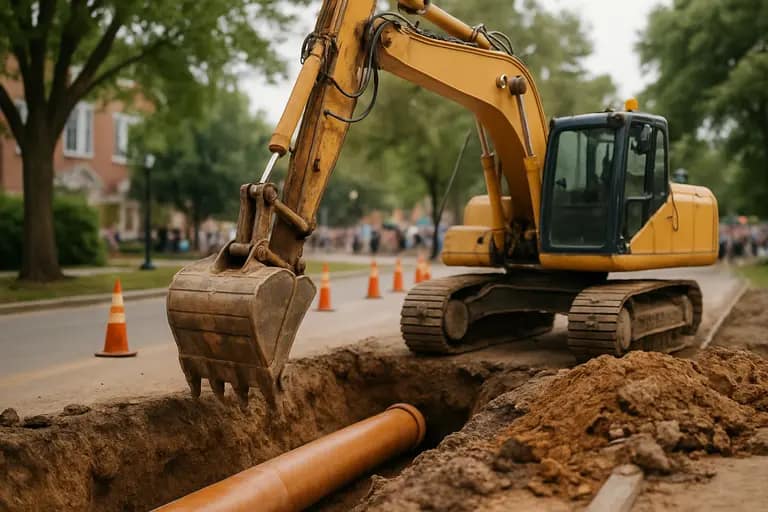
Lifting the Sewer Capacity Moratorium did not create unlimited sewer capacity. The county’s own explanation tied the June 3 decision to temporary capacity borrowing, updated peak flow measurements, and planned capital work that will take several years. That makes the issue both immediate and long-range: three projects could move ahead, but the broader system still depends on engineering, construction, and funding decisions.
For Anne Arundel County, the civic challenge is sequencing. Allowing development to proceed before utility improvements are complete can raise public concern, yet freezing all projects can affect housing, business investment, and property owners seeking permits. County officials have signaled that project review will continue within the limits of available capacity and the public works schedule.
Why The Public Works Schedule Matters
The projected November 2026 evaluation milestone gives residents a concrete date to watch. That evaluation is expected to inform the diversion work that the county said would take four to five years for design and construction. If the evaluation changes the scope, timing, or cost of the work, the effect could be felt in later project approvals.
Public works projects of this kind rarely affect only engineers and developers. They influence where growth can occur, how local services are planned, and whether older sewer infrastructure can handle storms and peak demand. The June 3 lift answered one immediate question, but it left open many project-by-project decisions that residents may want to follow through county notices and meeting records.
Anne Arundel Development Projects After The Lift
For residents and applicants, the Sewer Capacity Moratorium story now shifts from a countywide pause in one service area to a more targeted review of allocations and infrastructure timing. The only projects publicly identified by status in the county’s June 3 announcement were three unnamed applications already in the review pipeline and ready for Department of Public Works allocations. No official list in the provided county announcement identified their names, types, or exact locations.
That limitation is worth stating plainly. The public knows the number of first-cleared projects and the policy reason they could move ahead, but not the full project details from the cited announcement. Until Anne Arundel County releases project-level records or includes the applications in public meeting materials, residents should avoid assuming which developments were included. The practical next step is to monitor county planning and public works actions tied to sewer allocations in the Baltimore City Sewer Service Area, especially as the November 2026 evaluation deadline approaches.
Leave a Reply