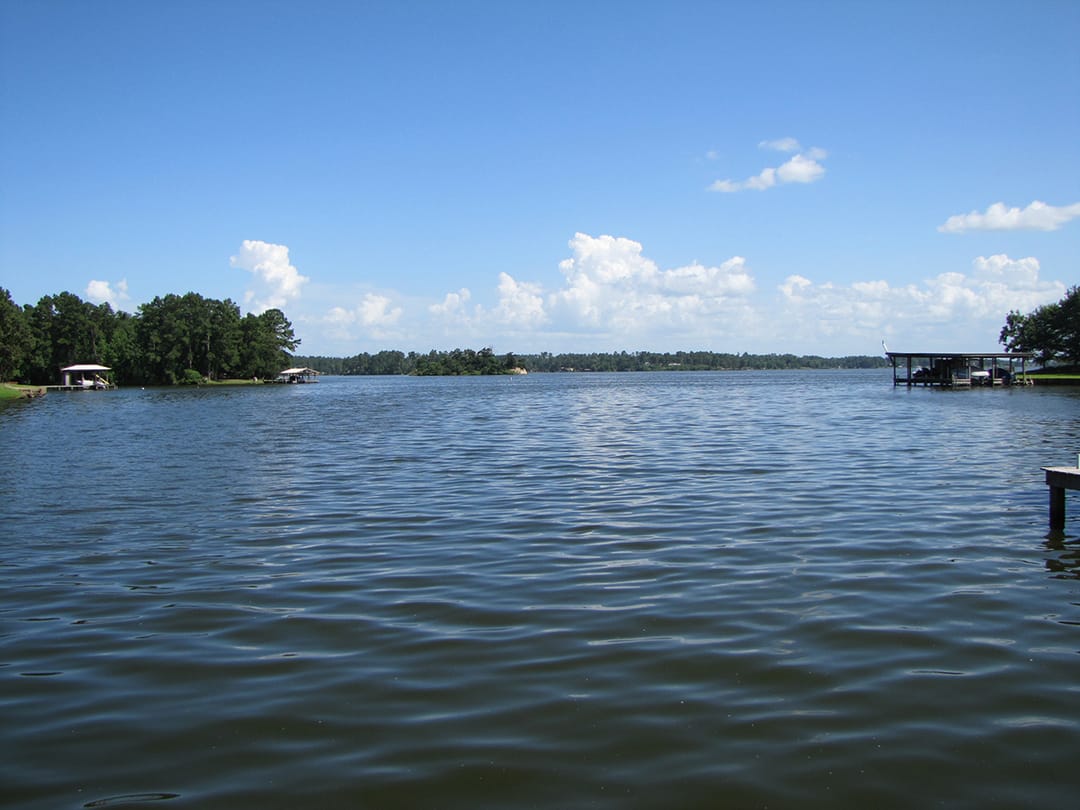
Lake Livingston is the beating blue heart of our area, and this week it looks every bit the part. Water levels are seasonally high, mornings run cool and calm, and brief bursts of wind are still sneaking in behind passing fronts. For boaters and anglers across Trinity County, that mix creates opportunity, but it also calls for patience and planning. Here’s what you need to know before you launch.
Current Lake Conditions
Lake Livingston is effectively full. State reservoir data show Livingston at or near 100% of conservation capacity as of midweek, which tracks with what locals are seeing along the shoreline. The Trinity River Authority notes, “Lake Livingston has a normal pool elevation of 131 feet above mean sea level,” and recent readings have hovered close to that mark. When the lake sits high this time of year, you can expect more floating debris after any rain and a little extra current near the dam and main-river channel.
Water temperatures in December are typically in the cool-to-cold range for East Texas reservoirs, and that sets the table for a classic winter bite. Clearer water is often found on the southern half of the lake and in protected coves after a couple of calm days. Up-lake, where river water feeds the reservoir, stain can increase quickly after showers. If you’re trailering from Trinity, it’s smart to have a plan A and a plan B ramp in mind, and to check conditions when you arrive.
Weather and Wind Outlook
The week’s pattern is what you expect in December here: a calm or southerly breeze ahead of a front, then a north wind behind it. For boaters on Livingston, the difference between a 7 mph ripple and a 17 mph whitecap is real, especially on the big open reaches from the 190 bridge toward the dam. Mornings are your friend. Winds tend to be lighter around sunrise, building through late morning and easing again toward dusk. If a front has just blown through, give the lake half a day to settle before you chase schooling fish on windblown points.
Fog is also in play on clear, cool mornings, especially after a warm afternoon. If you set out at first light, keep your speeds modest until visibility improves and run your lights. Cold air over comparatively warmer water can create quick-changing visibility near creeks and timber lines.
For the latest hour-by-hour wind and rain chances, check the National Weather Service point forecast for Lake Livingston State Park or your usual bay/nearshore app. Forecasts can and do change by the afternoon, and a 5 mph shift in wind direction can make a big difference on this lake.
Water Levels and Dam Releases
With the lake sitting high, dam operations matter. When releases increase, you’ll see more current near the spillway and a stronger pull in the main-river channel downlake. That can turn on catfish and stripers that favor moving water, but it can also make boat handling trickier around the wall, the tailrace, and bridge pilings. The Trinity River Authority posts lake level and river data online; a quick check before you leave home will tell you if to expect a bit more current than usual. Give bank anglers and other boats extra room below the dam, wear your PFD at all times near the discharge, and remember that floating logs and grass mats move faster once gates are open.
Fishing Forecast
White Bass and Striped Bass
Winter is prime time for white bass on Livingston, and the signs are obvious when it’s happening: gulls dipping, shad flipping, and that clean feeling of a slab spoon thumping bottom. Focus on main-lake points and channel edges in 15 to 30 feet when the wind is mild. Jigging spoons, tail-spinners, and small swimbaits get bit, especially on the drop. When birds are working hard over deeper water, move with them but don’t run through the school; set upwind and drift down. Striper and hybrid schools will mix with whites; size your baits accordingly and be ready for a heavier pull.
Blue and Channel Catfish
Catfish fishing is steady to excellent in cold water. Blues stage along river ledges, humps, and windblown points in 20 to 35 feet. Fresh cut shad is the gold standard, but skipjack or other fresh cut bait works too. On days with increased dam release, try the first major breaks downlake; that added flow stacks fish tight. If the wind lays down and the sun warms the shallows, don’t be afraid to slide up to 12–18 feet for an afternoon bite. Anchoring with a spread of baits at different depths helps you dial in the zone.
Crappie
Crappie settle around brush piles, standing timber, and bridge pilings this month. A light jig in natural shad colors or chartreuse, worked slowly in 12 to 20 feet, is often the ticket. On bright days, fish hang a bit deeper; on cloudy afternoons they may rise in the column. Sonar is a big advantage, but traditional anglers do well by rotating among reliable piles and changing jig weight as wind changes. If you find small fish, slide to the next piece of cover at the same depth until you mark thicker, more defined arches.
Largemouth Bass
It’s a slower, methodical game for bass in December. Wood and rock with nearby deep water are your targets. Jigs, compact crankbaits, Alabama rigs, and underspins shine when crawled around channel swings and secondary points. Bite windows can be short and tied to sun angle. Many anglers report the best bites from late morning to midafternoon after a calm night, when a degree or two of surface warming pushes bait and fish onto the first break.
Boating Access and Safety
With levels high and water cold, safety is not a line-item; it’s the whole plan. Wear a Coast Guard–approved life jacket at all times on plane, and consider keeping it on while fishing. Cold shock is real, and it can happen fast. Use your engine cutoff switch, keep a dry set of clothes in a bag, and tell someone your float plan if you’re heading out alone. If you do go overboard, focus on getting as much of your body out of the water as you can and call for help immediately.
Debris is the other winter wildcard. Keep a sharp eye for logs, planks, and grass mats, especially after rain. Timber fields up-lake are not forgiving in low light; respect the markers, idle where you’re unsure, and plot your route on the way in so you can follow it back out. Ramps can be slick on frosty mornings. Give yourself extra time at launch, and don’t be shy about asking for a spotter on the winch or guides.
Best Windows to Go
If you’re targeting white bass or stripers, a calm morning with a light southerly breeze is perfect. Look for birds on the move from midlake to the dam. For catfish, a post-front afternoon with steady north wind can be lights out along channel edges, but you’ll want to anchor and fish patiently. Crappie anglers do well most days if they slow down, but the warmest part of the day often puts the bigger slabs in reach. Bass are a grind; pick a confidence stretch and fish it thoroughly when the sun is highest, especially after two consecutive calm nights.
How to Stay Updated
Local conditions shift quickly in winter. Before you go, check three things: the National Weather Service point forecast for wind and rain, the Trinity River Authority’s lake level and release info for current, and the state reservoir dashboard for overall lake level trends. A quick stop at a local marina or bait shop can also save you an hour on the water by pointing you to the most productive depth or the cleanest water.
Livingston has a way of rewarding the prepared this time of year. The lake is full, the fish are grouped, and the crowds are lighter than in spring. If you match your plan to the wind and keep safety front and center, you can find steady action on whites and catfish, a few deep-water crappie for dinner, and maybe even a striper that turns a cold morning into a warm memory.
Leave a Reply